Introduction
Kitchen wall art transforms cooking spaces from purely functional rooms into inviting areas that reflect your personality and style. Whether you’re looking to create a bold focal point above your dining area or build a cohesive gallery wall that tells your family’s story, the right artwork can fundamentally change how your kitchen feels and functions.
This guide covers art selection, placement strategies, and styling approaches for residential kitchens. We’ll explore which materials withstand kitchen environments, how to choose themes that complement your cooking space, and practical techniques for arranging multiple pieces. Commercial kitchen applications fall outside this scope, but homeowners, renters, and design enthusiasts will find actionable guidance for enhancing their kitchen’s visual appeal.
Direct answer: Kitchen wall art includes prints, paintings, photography, decorative plates, and mixed media pieces specifically chosen to complement cooking and dining spaces while withstanding humidity and temperature fluctuations common to these environments.
By the end of this guide, you’ll gain:
Understanding of kitchen-appropriate art materials and durability requirements
Knowledge of scale and proportion principles for different kitchen sizes
Mastery of gallery wall creation and arrangement techniques
Solutions for common styling challenges like limited space and moisture concerns
Confidence in selecting pieces that enhance both kitchen function and aesthetics
Understanding Kitchen Wall Art
Kitchen wall art refers to artwork specifically selected for cooking and dining environments, chosen not only for visual interest but also for practical compatibility with the unique conditions these spaces present. Unlike art displayed in living rooms or bedrooms, kitchen pieces must contend with steam, grease particles, and temperature changes while still delivering the aesthetic impact that makes a space feel like home.
The kitchen has evolved beyond its utilitarian origins into a gathering space for family and friends, which elevates the importance of thoughtful wall decoration. Art in this room creates inviting, personalized spaces that showcase your taste and lifestyle while inspiring the joy of cooking and shared meals.
Durability and Material Considerations
Kitchen-appropriate materials include glass-covered prints, metal artwork, and certain treated wood pieces. These formats offer surfaces that can be quickly wiped down, protecting your investment from the environmental challenges unique to cooking areas.
This connects directly to successful kitchen art selection because humidity from boiling water, heat radiating from stovetops, and airborne grease can damage unprotected artwork over time. Photography and small framed prints behind glass deliver visual impact without bulk, while adhesive-backed photo tiles offer renters a damage-free alternative that maintains complete flexibility for seasonal updates.Scale and Proportion Principles
Kitchen dimensions directly influence art size selection. A large abstract piece that commands attention in a spacious open-plan kitchen would overwhelm a compact galley layout. Conversely, tiny prints can disappear on expansive walls, failing to create the focal point your space needs.
Building on the practical requirements of durability, scale considerations help you narrow choices further. Not every kitchen comes with abundant square footage, yet limited space need not compromise style. Floating shelves displaying rotating photo tiles, small plants, and cookbooks create dynamic vignettes that maximize visual interest within constraints while remaining proportional to the room.
Understanding both material requirements and spatial relationships prepares you to explore the specific themes and art types that will bring your kitchen walls to life.
Types and Themes of Kitchen Wall Art
With durability and scale principles established, you can now focus on the creative dimension: selecting art themes that resonate with your kitchen’s purpose and your personal aesthetic. The best kitchen prints create natural connections to the room’s function while adding warmth and personality.
Food and Culinary Themes
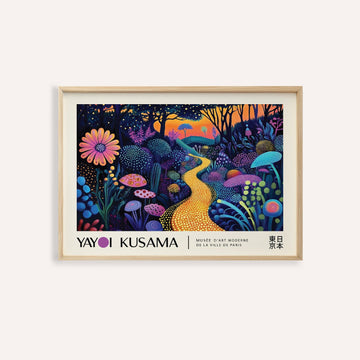
Botanical prints featuring herbs, vegetables, and flowers feel inherently at home in cooking spaces. Ingredient photography, vintage recipe cards, and abstract food representations inspire culinary creativity while reinforcing the kitchen’s core purpose. Illustrated produce-from vibrant tomatoes to delicate fennel-adds colour and life to walls.
These themes connect directly to kitchen function, serving as both decoration and inspiration. Framed vintage menus, coffee guides, wine illustrations, and meat charts bring nostalgic charm while remaining contextually relevant. Family recipes transferred to art prints transform sentimental documents into meaningful decor that sparks conversation and preserves culinary heritage.
Abstract and Geometric Art
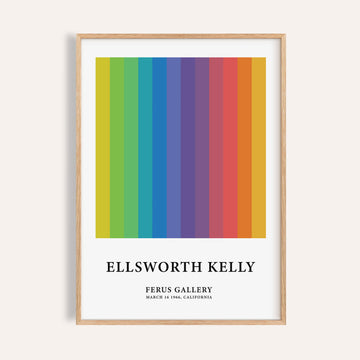
Modern kitchens often favor single oversized abstract pieces paired with minimalist palettes. Contemporary geometric patterns and clean compositions complement sleek cabinets and streamlined countertops without competing for attention.
This category works particularly well when you want visual interest without literal food imagery. Bold colors in abstract compositions can pop against neutral kitchen backgrounds, while muted abstract paintings in earthy greens, soft blues, or warm terracotta tones create cozy atmospheres. Blue has emerged as a particularly trendy choice, appearing in everything from cerulean abstract pieces to navy geometric prints.
Photography and Vintage Prints
Black and white photography delivers timeless polish in any kitchen style, from Scandinavian minimalism to traditional designs. Travel imagery featuring markets, cafés, and coastal scenes adds wanderlust and personal narrative to your space.
Vintage advertising art-from coffee posters to illustrated food signs-appeals to retro enthusiasts and creates fun conversation starters. These pieces often feature typography and illustrations that bring a sense of history and character to modern cooking spaces. With your preferred themes identified, you’re ready to explore how placement strategies can maximize their impact.
Placement and Styling Strategies
Selecting beautiful artwork represents only half the challenge. Strategic placement transforms individual pieces into a cohesive look that enhances your entire kitchen area. The following strategies build on your knowledge of art types to guide practical application.
Gallery Wall Creation Process
Gallery walls work best above dining areas, along staircase walls adjacent to kitchens, or on large uninterrupted wall expanses. This approach allows you to showcase a collection of prints, create layered visual interest, and tell a unified story through multiple pieces.
Measure wall space and plan layout on paper – Sketch your available area and map approximate positions for each piece, ensuring the arrangement won’t interfere with cabinet doors or appliance operation.
Select 3-7 pieces with unified theme or color palette – Choose artwork that shares either subject matter (all botanical prints, for example) or colour scheme (pieces featuring consistent blue and cream tones). Limit frame colors to three or fewer for intentional rather than chaotic compositions.
Arrange pieces on floor before hanging – Lay everything out to experiment with spacing and visual weight distribution. Anchor arrangements with one larger piece and build around it to balance the composition.
Install using proper spacing and eye-level guidelines – Maintain 2-3 inches between pieces for consistency. Center the gallery at eye level, typically 57-60 inches from floor to the arrangement’s center.
Single Statement Piece vs. Multiple Artworks
Criterion |
Single Statement Piece |
Multiple Artworks |
|---|---|---|
Visual Impact |
Bold focal point that commands attention |
Layered interest that invites exploration |
Flexibility |
Easy to change or replace seasonally |
Complex rearrangement required for updates |
Cost |
Higher investment per piece |
Distributed spending across collection |
Space Requirement |
Needs sufficient wall area to breathe |
Adaptable to various wall configurations |
For smaller kitchens, a single statement piece often delivers more impact than crowded groupings. Larger kitchens and open dining room combinations can support gallery walls that feature photography, paintings, and decorative elements together. Consider your lifestyle too-if you enjoy regularly updating your decor, multiple smaller pieces offer more rotation opportunities than one dramatic artwork.
These strategies provide the foundation for successful displays, but real-world kitchens present challenges that require creative solutions.
Common Challenges and Solutions
Even with solid planning, kitchen wall art installation encounters practical obstacles. Addressing these common challenges ensures your artwork remains beautiful and functional for years.
Limited Wall Space
When cabinets, windows, and appliances dominate your walls, utilize vertical space above upper cabinets for narrow horizontal pieces or create slender vertical arrangements in available gaps. Floating shelves can display rotating photo tiles and small prints without requiring dedicated wall expanses. Consider the space between windows or the wall section beside your refrigerator-often overlooked areas that can feature slim artwork or decorative plates.
Moisture and Heat Concerns
Choose glass-covered prints that can be wiped clean and maintain at least a 3-foot distance from stovetops. Avoid placing original paintings or unprotected canvas directly above cooking surfaces. Sealed frames and laminated posters withstand kitchen conditions better than exposed paper or raw canvas. For areas near sinks or dishwashers, metal artwork or ceramic decorative plates offer superior moisture resistance.
Coordinating with Existing Kitchen Elements
Echo cabinet hardware finishes in your frame selections-bronze frames with bronze pulls, for instance. Pull colors from your backsplash or countertops into your artwork choices to create visual harmony. When kitchens feature dark cabinetry, light artwork and mats create necessary contrast. Warm wood frames in oak or walnut tones tie natural wood elements together across the room.
With solutions to these obstacles in hand, you’re equipped to execute your kitchen art vision confidently.
Conclusion and Next Steps
Kitchen wall art enhances both the function and aesthetics of your cooking space when properly selected and placed. The right pieces transform kitchen walls from blank backgrounds into expressions of personal style, culinary inspiration, and family life-all while withstanding the practical demands of a working kitchen environment.
Take these immediate actions:
Measure your available wall space, noting distances from heat sources and moisture areas
Identify 2-3 preferred themes from the categories explored (food imagery, abstract, photography, or vintage prints)
Select appropriate materials for your kitchen environment-glass-covered prints or sealed finishes for high-moisture zones
Begin with a single statement piece or small gallery grouping before expanding your collection
Related topics worth exploring include dining room art coordination for open-plan spaces and seasonal art rotation strategies that keep your kitchen feeling fresh throughout the year.
Additional Resources
Frame Selection by Kitchen Style:
Modern/minimalist: Slim black or white frames, floating canvas
Farmhouse: Distressed wood, natural oak, vintage-inspired frames
Traditional: Gold or bronze finishes, classic molding profiles
Coastal: Light wood, whitewashed frames, natural materials
Lighting Considerations: Position artwork where natural light enhances without causing glare. Under-cabinet lighting can illuminate lower wall sections, while pendant fixtures over islands provide ambient light for nearby gallery walls. Avoid direct sunlight exposure, which fades artwork over time.
Maintenance Tips:
Dust frames monthly with soft microfiber cloth
Wipe glass surfaces with gentle glass cleaner quarterly
Inspect humidity-exposed pieces for any moisture damage signs
Rotate seasonal pieces to distribute light exposure evenly across your collection