Japanese Art: A Deep Cultural Expression
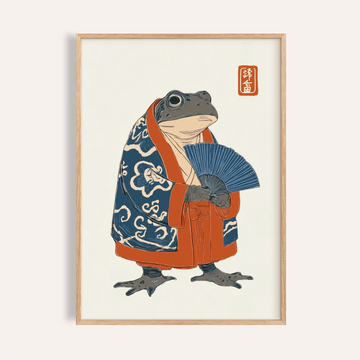
Japanese art is a mirror of the country's long, layered history. It reflects a culture that values both tradition and innovation. Whether you’re drawn to ancient Buddhist art or the clean lines of contemporary art, each piece tells a story rooted in centuries of heritage.
Japanese Artists: Honoring Generations of Creators
From the sixth century to today, Japanese artists have used their work to express ideas about nature, spirituality, and daily life. These creators have influenced not only Asian art but have inspired movements across the world, including Impressionism in Europe.
Japanese Print: A Technique that Traveled the World

The Japanese print, especially woodblock prints, became one of the most recognized forms of Japanese art. Known as ukiyo-e, or "pictures of the floating world," these artworks offered detailed scenes of landscapes, kabuki actors, and moments from everyday life.
Japanese Painting: From Scrolls to Screens
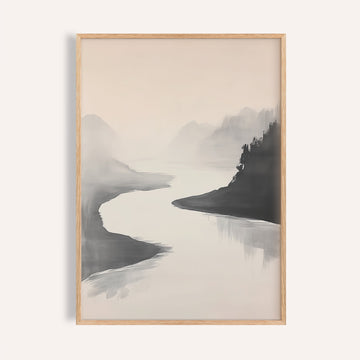
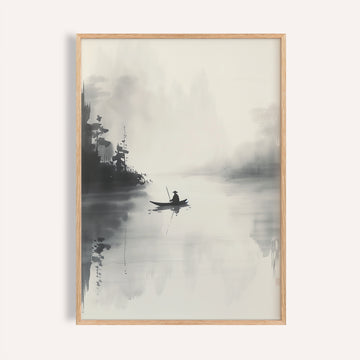
Japanese painting has evolved over centuries, from delicate ink scrolls to bold painted screens. Styles often reflect themes of nature, history, and folklore, with techniques that emphasize simplicity, balance, and contrast.
Cherry Blossoms: Beauty in a Bloom
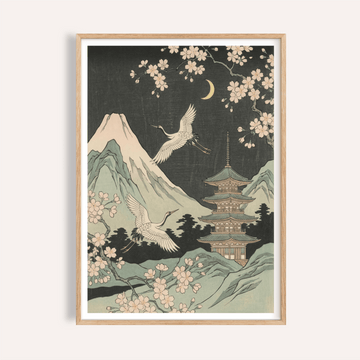
Cherry blossoms are not just flowers in Japan. They’re a national symbol. Often represented in prints and paintings, these blooms stand for the fleeting nature of life. Their soft pink petals are a favorite subject for many Japanese artists.
Great Wave: Japan's Most Famous Image
When people think of Japanese art, the Great Wave off Kanagawa usually comes to mind. Created by Katsushika Hokusai, this woodblock print captures the raw power of nature and the skill of the artist. It's part of a larger series focused on Mount Fuji.
Mount Fuji: Sacred and Scenic

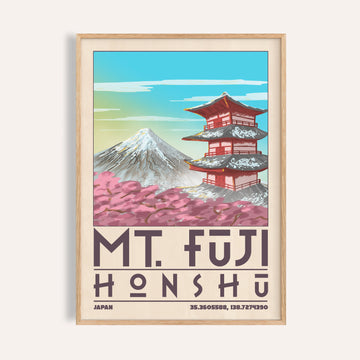
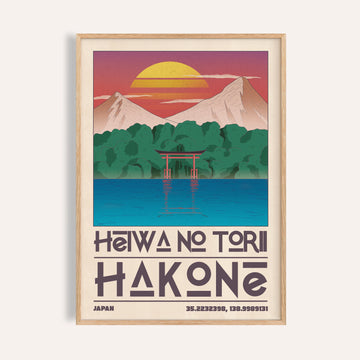
Mount Fuji appears again and again in Japanese art. It’s a spiritual icon, a natural wonder, and a favorite subject for artists like Hokusai and Hiroshi Yoshida. Whether shown calmly or during a dramatic moment, the mountain represents strength and serenity.
Edo Period: A Time of Artistic Flourishing
During the Edo period (1603–1868), art in Japan blossomed. It was an era of peace that allowed creativity to thrive. Artists created prints, scrolls, and paintings that defined the aesthetic we still associate with traditional Japanese art today.
Hiroshi Yoshida: Master of the Landscape
Hiroshi Yoshida was a key figure in the shin hanga movement. He traveled the world but returned again and again to Japanese scenes, using woodblock techniques to capture natural beauty with astonishing detail and subtle color.
Katsushika Hokusai: Icon of Japanese Art
Hokusai’s influence extends far beyond Japan. His detailed prints, especially the Great Wave, are celebrated around the world. His work covers everything from mythological creatures to street scenes, always with a sharp eye for line and form.
Shin Hanga: A Revival of Woodblock Printing
In the early 20th century, the shin hanga movement brought woodblock printing back into style. These works mixed Western realism with Japanese tradition. Artists focused on light, detail, and emotional expression.
Buddhist Art: Serenity in Every Stroke
Buddhist art in Japan includes statues, scrolls, and wall paintings. Many date back to the sixth century. These works were designed to inspire peace and reflection, and they continue to do so today.
Floating World: Scenes of Leisure and Life
The "floating world" or ukiyo celebrated fleeting pleasures, tea houses, actors, beautiful women, and seasonal festivals. Artists captured these moments with elegance and precision, giving us a glimpse into everyday life in the Edo period.
Kabuki Actors: Drama on the Page
Kabuki actors were frequent subjects of Japanese prints. The dramatic poses, bold costumes, and expressive faces added flair and energy to each artwork. These prints also served as theater posters and fan souvenirs.
Wave Off Kanagawa: Art Meets Nature
This specific wave, from Hokusai’s series Thirty-Six Views of Mount Fuji, is both beautiful and terrifying. It shows boats battling a massive wave, with Mount Fuji small in the background. The contrast makes the scene unforgettable.
Vincent van Gogh: A Fan of Japanese Prints
Van Gogh admired Japanese prints so much that he collected them and even painted copies. He was inspired by their use of bold color, strong lines, and unusual perspectives. Japanese art helped shape modern European art.
Contemporary Art: Japan Today
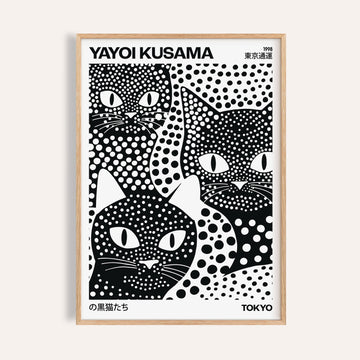
Modern Japanese art blends tradition with innovation. From pop art to installations, today’s Japanese artists draw on a rich background while looking toward the future. Tokyo galleries and international exhibitions showcase their evolving work.
Japanese Culture: Art as a Way of Life
In Japan, art isn’t separate from daily life. Whether it's the design of a kimono, the arrangement of flowers, or a scroll hanging in a tea room, artistic expression is everywhere. It reflects respect for nature, balance, and detail.
Explore Japanese Art Collections
Many major collections of Japanese art are now accessible online. Explore prints, paintings, and artifacts from museums in Japan, Europe, and the UK and U.S. Websites like ours at Laboo Studio offer curated selections that bring this history into your home.
Bringing It All Together

Japanese art is more than a visual treat. It’s a reflection of a culture, a history, and a philosophy. Whether you're drawn to the calm of a mountain scene or the energy of a kabuki print, you're connecting with generations of artistry and tradition.