Introduction
At home wall art encompasses the visual displays you choose to adorn your walls-from framed prints and original paintings to photography and mixed-media pieces. This guide covers everything you need to know about selecting, sizing, and arranging artwork specifically for residential spaces, helping you transform empty walls into meaningful expressions of your personality.
Whether you’re a homeowner looking to create a stunning focal point in your living room or a renter seeking damage-free ways to personalize your space, this content addresses your needs. Commercial galleries and museum installations fall outside our scope; instead, we focus on practical solutions for everyday home environments where art must harmonize with furniture, lighting, and the rhythms of daily life.
The direct answer to finding the right wall art for your home: choose pieces that reflect your personal interests while considering room function, wall dimensions, and existing color schemes-then install using methods appropriate for your wall type and artwork weight.
By the end of this guide, you will:
Understand the different types of wall art suitable for home display
Know how to select artwork based on specific room requirements
Master proper sizing principles for any wall space
Learn arrangement techniques from linear layouts to gallery walls
Discover installation methods that protect your walls while showcasing your art
Understanding At Home Wall Art
Wall art refers to any visual display intended for interior walls that serves both aesthetic and personal expression purposes. Unlike furniture or architectural elements, wall art offers you the ability to curate your environment according to your unique tastes-creating spaces that feel genuinely yours rather than generically decorated.
Types of Wall Art for Home Display
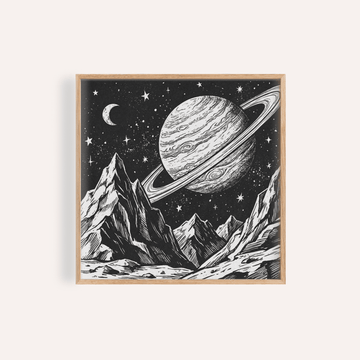
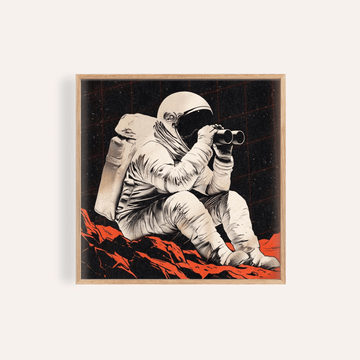
Art prints and posters offer accessibility and variety that original pieces often cannot match. You can explore work from contemporary artists or classic masters at price points that fit any budget, making it easy to experiment with different styles until you find what you love.
Original paintings and mixed-media pieces bring depth and uniqueness to your space. These one-of-a-kind works carry the energy of their creation and often become conversation pieces that sets your home apart.
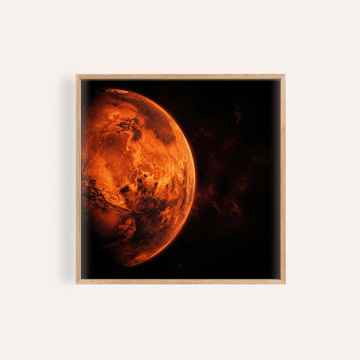
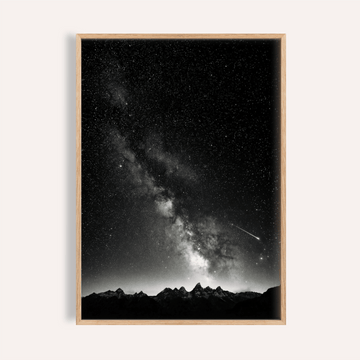
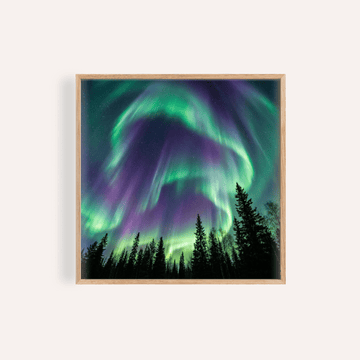
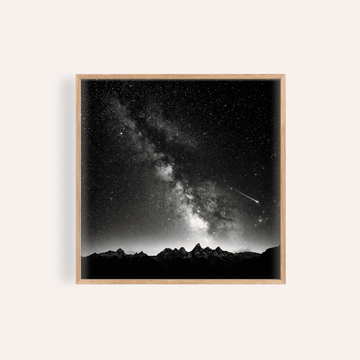
Photography and digital art represent modern approaches to home decoration. From landscape photography that brings nature indoors to abstract digital creations, these formats offer crisp, contemporary aesthetics that work particularly well in modern interiors.
Each type connects to home suitability differently-prints offer flexibility for those still discovering their style, while original pieces support long-term investment in meaningful artwork.
Framing and Mounting Options
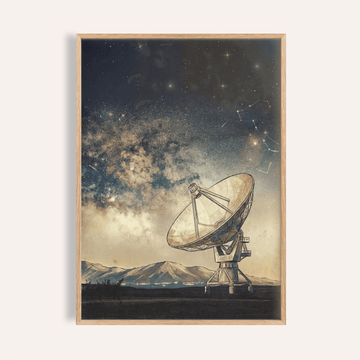
Framed prints provide protection and polished presentation, with frame selection affecting the overall aesthetic as much as the artwork itself. Wooden frames bring warmth, while aluminum options offer sleek, modern appeal.
Matte paper reduces glare, creating a gallery-like appearance in a frame. Matte paper prints work exceptionally well in living areas where natural light varies throughout the day.The relationship between mounting choice and home environment matters significantly-humid bathrooms require moisture-resistant options, while high-traffic areas benefit from durable, easy-to-clean surfaces. Understanding these connections prepares you to make room-specific choices.
Choosing Wall Art for Different Home Spaces
Building on your understanding of art types and mounting options, selecting pieces for specific rooms requires balancing aesthetic preferences with practical room functions.
Living Room Wall Art
Living rooms demand statement pieces that anchor the space visually. Large prints or gallery wall collections work based on your design preference, single pieces should occupy approximately two-thirds of available wall space, maintaining 15 to 30 cm of clearance from ceiling and surrounding furniture.Color coordination with existing furniture and decor creates cohesion without requiring exact matching. Consider complementary colors from opposite sides of the color wheel to achieve beautiful balance, or use neutral artwork as a sophisticated backdrop for colorful furnishings.
Focal point creation involves strategic placement where eyes naturally land upon entering the room. Above sofas, over fireplaces, and on the wall opposite the main entrance offer prime locations for your most impactful piece.
Bedroom Art Selection
Bedroom artwork should reflect your personality and interests, as this private sanctuary allows meaningful personal connections through curated selections. Choose pieces that evoke the mood you want-calming landscapes for relaxation, inspiring quotes for motivation, or abstract work that sparks thought.
Scale considerations differ from living rooms; bedrooms often benefit from medium-sized pieces above headboards or smaller groupings that create intimate viewing experiences. The goal is creating an environment that supports rest rather than overwhelming the senses.
Kitchen and Dining Area Art
Kitchen environments present unique challenges: heat, moisture, and grease require durable, easy-to-clean materials. Wood, metal, ceramics, and prints framed behind glass withstand these conditions, while unframed thin paper proves too fragile.Appropriate themes for eating spaces include botanical illustrations, fruit prints, and food-related imagery that enhance rather than distract from the room’s purpose. Bright, cheery artwork livens neutral cabinetry and stainless steel appliances.
Size and placement guidelines prioritize workflow functionality-artwork should fit between countertops and cabinets without obstructing movement. Areas above cooktops and sinks offer display opportunities, though pieces should not compete with prominent features like range hoods.
Displaying and Arranging Wall Art at Home
With room-specific selections made, proper display techniques ensure your choices achieve their full visual impact.
Proper Hanging Techniques
Step 1: Measure and Plan
Measure your wall space and use paint tape to create “empty frame” outlines, evaluating proportions before commitment.
Step 2: Mark Hanging Points
Mark hanging points using a level to ensure straight placement.
Step 3: Select Appropriate Hardware
Select appropriate hardware-adhesive hooks for lighter frames, hollow drywall anchors for heavier pieces, or rail systems for museum-quality installations.
Step 4: Final Alignment
Check final alignment, adjusting until each piece sits perfectly level.
Gallery Wall versus Single Statement Pieces
Criterion |
Single Large Piece |
Gallery Wall Collection |
|---|---|---|
Visual Impact |
Bold, immediate focal point |
Dynamic, layered interest |
Installation Complexity |
Simple-one hanging point |
Moderate-requires careful spacing |
Cost |
Variable based on piece |
Often more affordable through smaller works |
Flexibility |
Limited-piece must carry the space |
High-can add, remove, or rearrange |
Choose single statement pieces when you want dramatic simplicity and have found artwork you love. Opt for gallery walls when you want to create visual interest through variety or wish to display collections that tell a story about your interests. |
Common At Home Wall Art Challenges and Solutions
Artwork Appears Too Small for the Wall
The solution involves understanding proportional relationships-artwork should occupy roughly two-thirds of available wall width. If a beloved piece appears lost on a large wall, create a grouping by surrounding it with complementary smaller works, or add a substantial mat and frame to increase visual presence.
Colors Don’t Match Existing Decor
Rather than seeking exact color matches, choose artwork featuring one or two accent colors from your room’s palette. Black and white photography or neutral abstract pieces offer safe choices that work with virtually any decor while allowing you to add colorful accents elsewhere.
Rental Property Hanging Restrictions
Damage-free solutions have expanded significantly. Command strips and adhesive hooks support surprisingly heavy frames without nail holes. Leaning large framed prints against walls creates casual gallery aesthetics requiring no installation. Rail systems suspended from picture molding-common in older apartments-turn restrictions into opportunities for flexible display.
Conclusion and Next Steps
Thoughtful wall art selection and proper display techniques transform ordinary rooms into spaces that reflect who you are. The key lies in balancing personal expression with practical considerations-choosing pieces you genuinely connect with while respecting room functions, wall dimensions, and installation requirements.
Take these immediate actions to begin your wall art journey:
Measure your primary walls and note available hanging space.
Identify which room would benefit most from artwork attention.
Determine appropriate sizes using the two-thirds rule as your guide.
Explore framing and mounting options that match your home’s conditions.
As your collection grows, consider related topics like seasonal art rotation to keep displays fresh, or building cohesive collections that create narrative threads throughout your home. The work of curating your walls never truly ends-it evolves alongside your tastes, experiences, and the life you build within your space.