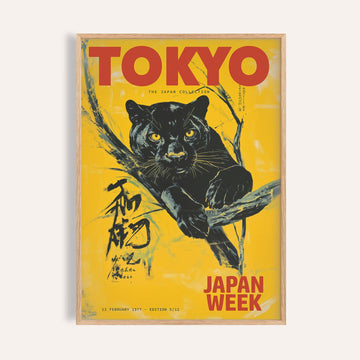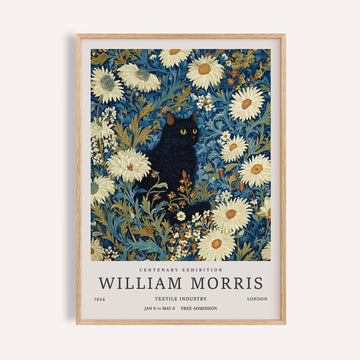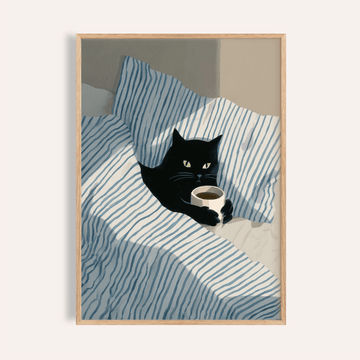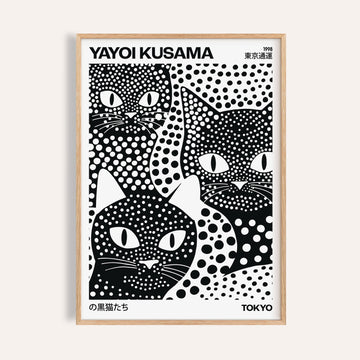
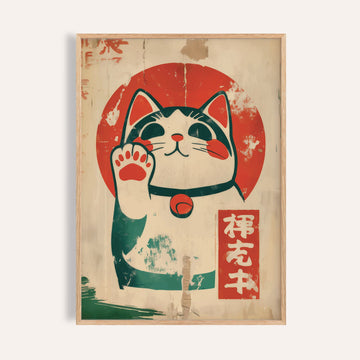
The cat with paw up is a familiar sight in restaurants, shops, and homes. Known as a symbol of prosperity and good fortune, this little figurine has a long history that goes back centuries in Japan. While many people call it the lucky cat or Chinese waving cat, its true origin lies in Japanese culture, where it is better known as the maneki neko.
Quick answer: The “waving cat” is the maneki neko (lucky cat). A left paw raised is commonly linked to attracting customers/people, while a right paw raised is linked to attracting wealth and success.
Cat With Paw Up
The image of a cat with paw up is more than just cute decor. It is believed to beckon customers, money, and luck. The raised paw gesture, which looks like a wave, is actually the Japanese motion for calling someone closer. Depending on which paw is lifted, the meaning can vary. The left paw often attracts customers, while the right paw is linked to wealth and success.
You will see these cats sitting quietly at shop entrances, restaurants, and even temples. Some have one paw raised, others both, and their colors and accessories also change the meaning they carry. What stays constant is the belief that they bring prosperity to those who display them.
Lucky Cat
The lucky cat is one of the most widely recognized mascots in Japan. Business owners often keep one at the entrance to welcome guests. Over time, this figurine spread beyond Japan and became popular in Chinese shops and restaurants, which is why many people today think of it as a Chinese waving cat.
The lucky cat is not only a charm for businesses but also a favorite in homes. Families may place it near an entrance or a window, hoping it will bring good fortune, love, and protection from poverty.
Chinese Waving Cat Meaning (Is It Chinese or Japanese?)
Although many call it the Chinese waving cat, this figurine’s birthplace is Japan, most likely during the Edo period. The story most often linked to its origin comes from Gōtoku-ji temple in Tokyo, where legend says a cat raised its paw to beckon a wandering samurai into the temple. The samurai soon avoided a dangerous storm, grateful that the cat had appeared just in time.
This story of protection and luck spread, and the figurine became popular. Over the centuries, variations were sold across Asia. That is why today you will find these cats in both Japanese and Chinese settings, always tied to the idea of beckoning wealth and prosperity.
Waving Cat Meaning (Maneki Neko)
The maneki neko, which translates to “beckoning cat,” is the proper name for the figurine. Its design usually depicts a Japanese cat (neko) sitting upright with one paw raised. The cat often wears a collar, bell, and bib, and many hold a gold coin, symbolizing wealth.
Different colors of maneki neko carry unique meanings. A white cat may represent purity, a pink cat can symbolize love, while a gold cat is strongly tied to prosperity. Shops and restaurants often display these statues near their entrance to attract both customers and good fortune.
The popularity of the maneki neko has lasted for generations, and today, you will even see modern versions in pink, waving with a moving arm powered by batteries.
Raised Paw
The raised paw is the feature that makes this figurine stand out. To someone unfamiliar, it may look like a funny waving gesture, but in Japan, it is the traditional way of beckoning. The palm faces outward, with fingers pointing down.
If the right paw is raised, it is said to bring wealth and success. If the left paw is raised, it is believed to bring customers, which is why so many shop owners keep them. Some figurines even have both paws up, doubling their symbolic power.
From Edo period temples to modern businesses in Tokyo and Asakusa, the cat with paw up has remained a mascot of prosperity. Its meaning may vary slightly depending on form, color, or setting, but the reason it continues to exist is clear: people across generations believe it will bring luck, prosperity, and protection to their lives. If you would like one for your own home, browse our lucky cat prints.