Introduction
Inspirational art refers to visual pieces designed to motivate, uplift, or convey meaningful messages through quotes, symbols, or imagery that resonates with viewers on a personal level. These pieces serve as daily visual reinforcement for goals, values, and mindset shifts that support personal growth.
This guide covers contemporary inspirational wall art for homes and workspaces, focusing on typography-based prints, abstract motivational pieces, and symbolic imagery. It does not address traditional religious iconography or vintage poster reproductions. The target audience includes design-conscious individuals seeking purposeful decor that combines aesthetic appeal with motivational content-whether you’re outfitting a home office, creating a calming bedroom retreat, or building an energizing workspace.
Inspirational art encompasses typography-based prints, abstract pieces with uplifting themes, and contemporary works featuring motivational quotes or symbolic imagery that can transform any space into a catalyst for positive thinking.
By the end of this guide, you will:
Understand different types of inspirational art and their emotional impacts
Learn placement principles for maximum motivational effect
Identify quality indicators when selecting pieces
Choose artwork that aligns with your personal values and aesthetic preferences
Understanding Inspirational Art
Inspirational art is artwork specifically created to evoke positive emotions, motivation, or reflection through visual and textual elements. Unlike purely decorative pieces, this category of art serves a functional purpose: creating purposeful living and working environments that support mental well-being and personal growth.
Typography-Based Inspirational Art
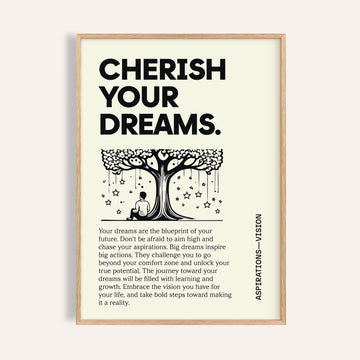
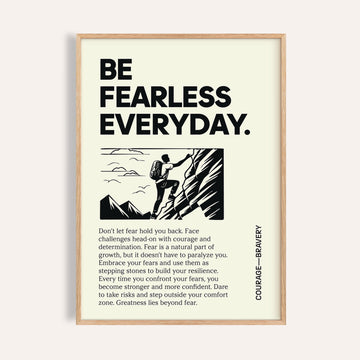
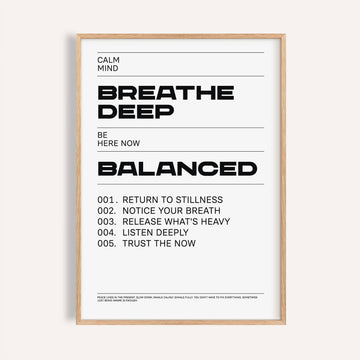
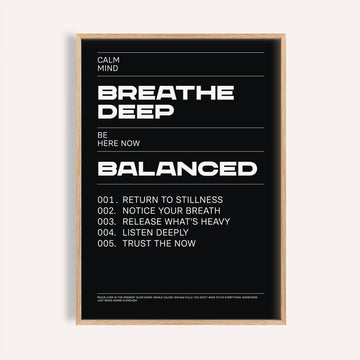
Typography-based inspirational art includes quote prints, word art, and text-focused designs using modern typography and clean layouts. These pieces transform powerful words into visual statements that can shift your mindset the moment you enter a room.
Font choice, spacing, and color directly affect the emotional impact and readability of text-based pieces. Bold sans-serif fonts convey energy and forward momentum, while elegant scripts suggest reflection and calm. The quality of typography work determines whether a piece feels professional or amateur.
Abstract Inspirational Art
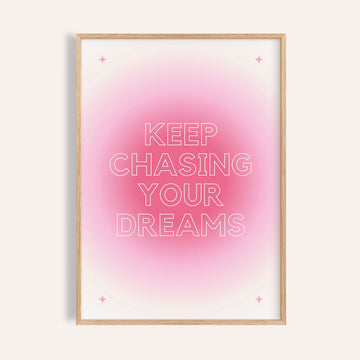
Abstract inspirational art conveys uplifting themes through color, form, and composition rather than literal imagery. These colorful pieces use visual language to evoke feelings of hope, energy, or calm without explicit messaging.
A vibrant abstract print with warm oranges and golds can energise an office space, while cool blues and flowing forms create a contemplative vibe in a meditation corner. Abstract pieces allow viewers to find personal meaning within the artwork.
Symbolic Inspirational Art
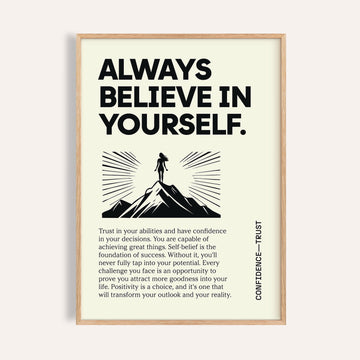
Symbolic inspirational art features universal imagery like mountains, trees, horizons, or geometric patterns representing growth, strength, or possibility. These pieces bridge the gap between abstract and literal inspirational content.
A mountain peak photograph with subtle typography, for example, combines the symbolic power of summit achievement with direct motivational messaging. Understanding these categories helps when selecting appropriate pieces for specific spaces and purposes.

Types and Categories of Inspirational Art
With foundational concepts established, categorizing inspirational art by purpose and message type enables practical selection for specific needs. Each category serves different emotional functions and suits different environments.
Motivational Quote Prints
Motivational quote prints feature contemporary designs emphasizing success, perseverance, and achievement themes with clean, modern typography. These pieces are designed to energize and push you forward toward your goals.
Ideal placement includes offices, home studios, and workout spaces-anywhere you need a win mentality. Effective motivational messaging uses specific, action-oriented language rather than generic phrases. A print stating “Ready to Build Something Great” delivers more impact than vague positivity.
Mindfulness and Wellness Art
Mindfulness and wellness art promotes mental health, self-care, and mindful living through gentle imagery and calming color palettes. These pieces serve different emotional needs than high-energy motivational art.
Where motivational pieces energize, mindfulness art encourages pause and presence. Soft watercolors, nature imagery, and gentle typography create a contemplative vibe suited to bedrooms, yoga spaces, and relaxation areas.
Personal Growth and Reflection Art
Personal growth and reflection art encourages introspection, life philosophy, and personal development through thought-provoking quotes and imagery. These pieces focus on contemplation rather than action.
While motivational art pushes you to act, reflection pieces invite you to consider your world view and life direction. Questions, philosophical statements, and layered imagery characterize this category.
The key difference: energizing motivational pieces suit active spaces where you need focus and drive, while calming reflective artwork belongs where you process and restore.
Choosing and Placing Inspirational Art
Selecting and positioning inspirational art requires matching piece characteristics to space function and personal aesthetic. Thoughtful placement amplifies emotional impact while poor positioning wastes the greatest art’s potential.
Assessing Room Purpose and Energy
Assess room purpose and energy level needed-energizing for workspaces, calming for bedrooms
Coordinating with Color Scheme
Check existing color scheme and select pieces that complement rather than compete
Evaluating Viewing Distance
Evaluate viewing distance and select appropriate text size and image scale
Matching Message Intensity
Match message intensity to space function and personal comfort level
A bold “Win the Day” print works in a home gym but may feel aggressive in a reading nook. Consider how often you’ll view the piece and whether its message will sustain long-term relevance.
Comparing Quality and Style Factors
Factor |
Typography-Focused |
Image-Based |
|---|---|---|
Print Quality |
Sharp text clarity essential |
Color accuracy critical |
Size Options |
Flexible scaling possible |
Limited by image resolution |
Style Longevity |
Depends on font trends |
More timeless appeal |
Typography-focused pieces require impeccable print quality-any blur destroys readability. Image-based inspirational art depends on color reproduction accuracy. When you order art online, check resolution specifications and return policies. |
Text-heavy pieces may feel dated as font trends shift, while nature photography and abstract pieces typically maintain appeal longer. Consider whether you prefer pieces you can hang for decades or enjoy refreshing periodically.
Common Challenges and Solutions
Overwhelming or Preachy Messaging
Choose pieces with subtle, personally meaningful messages rather than generic motivational slogans. “Hustle Harder” culture messaging may feel inauthentic if it doesn’t match your actual values.
Select artwork that feels genuine to your life philosophy rather than aspirational lifestyle messaging. The greatest inspirational art reflects who you are, not who you think you should become.
Poor Integration with Existing Decor
Focus on pieces sharing color elements or aesthetic style with current furnishings. A bold graphic print clashes in a room with soft, traditional decor regardless of its message quality.
Consider the overall mood and formality level of the space. A casual script quote works in a creative studio but may feel misplaced in a formal office environment.
Incorrect Size or Placement
Measure wall space and viewing distance before purchasing to ensure readability and visual impact. Text-based pieces require sufficient size for comfortable reading from typical positions.
Position inspirational art at eye level in areas where you spend focused time. A motivational print behind your desk monitor creates different energy than one you rarely view. Thoughtful selection creates more meaningful impact than quantity.
Conclusion and Next Steps
Effective inspirational art combines personal meaning with good design principles and appropriate placement. The pieces you hang on your walls should serve as daily tools for mindset reinforcement, not just decorative afterthoughts.
Take these immediate steps:
Identify specific rooms and purposes for inspirational art in your space
Determine your preferred message type and visual style based on the categories covered
Measure spaces and plan placement before purchasing to ensure proper scale and visibility
For deeper design integration, explore related topics like color psychology in wall art selection and creating cohesive gallery walls that combine multiple inspirational pieces effectively.
Additional Resources
Framing Options by Art Type: Paper prints benefit from frames matching your decor style, while posters can work unframed with clips in casual spaces. Float frames add dimension to text-heavy pieces.
Size Guidelines for Readability:
Quotes viewed from 3-5 feet: minimum 8x10 inches
Office wall art viewed from 6-10 feet: 16x20 inches minimum
Large room focal pieces: 24x36 inches or larger
Care Instructions: Dust frames with a soft cloth. Framed prints behind glass can be cleaned with standard glass cleaner. Avoid direct sunlight exposure for all print types to prevent fading. For more details, visit our FAQ page.
For personalized recommendations or questions about specific pieces, many quality art retailers offer consultation via email to help you find the perfect inspirational artwork for your space.