Art from Japan and China has shaped culture across the world for over a thousand years. While both traditions share roots in ink painting, calligraphy, and Buddhism, their styles developed in unique ways. Looking at Japanese art vs Chinese art shows both the many similarities and the key differences that define these two traditions.
Japanese Art
Japanese art grew from a mix of native traditions and outside influence, especially from China and Korea. During the Nara period, Buddhism entered Japan and shaped painting, sculpture, and architecture. Over time, Japanese artists developed their own way of working with space, nature, and everyday subjects.
A key part of Japanese aesthetics is wabi sabi, which finds beauty in imperfection and simplicity. You can see this in pottery, garden design, and even architecture. Open spaces, natural materials like wood and bamboo, and a focus on balance all reflect this outlook.
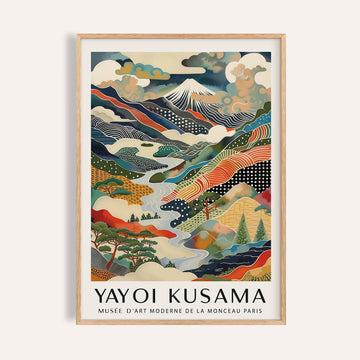
Japanese artists often used negative space to create calm and focus. This approach, along with soft fluid brushstrokes, gave rise to art forms like screen painting, calligraphy, and woodblock prints.
Chinese Art
Chinese art has one of the world’s longest continuous traditions, with dynasties shaping styles over centuries. From the Tang dynasty to the Ming and Qing dynasties, each period brought new ideas.
Chinese painting often reflected the artist’s state of mind as much as the subject. Mountains, rivers, dragons, bamboo, and daily life scenes were common. Calligraphy was seen as a high art, equal to painting.
Architecture was another important form, with brick, stone, and tile construction shaping temples and palaces. Pottery and decorative arts, including porcelain from the Ming dynasty, became prized not just in China but in Europe and the West.
Japanese and Chinese Art
When comparing Japanese and Chinese art, there are many similarities. Both valued nature, religion, and calligraphy. Both were influenced by Buddhism and shared techniques like ink painting.
But their cultural focus diverged. Chinese artists often worked on a grand scale, showing entire landscapes filled with mountains, rivers, and figures. Japanese artworks were smaller and more intimate, often capturing a single flower, a scene from daily life, or seasonal changes.
Japanese Paintings
Japanese paintings are known for their sensitivity to nature. Cherry blossom and pine trees became common subjects, symbolizing renewal and endurance. Japanese landscapes often captured the changing seasons, with snow, rain, and mist used to show mood.
Unlike Chinese paintings, Japanese artworks often included people in everyday settings, such as farmers, poets, or courtiers. These details reveal the cultural importance of simplicity, beauty, and storytelling.
Chinese Painting
Chinese artists often painted long handscrolls, meant to be unrolled slowly, revealing the scene like a journey. Their paintings balanced brushwork with calligraphy and poetry, creating an art form that combined word, image, and philosophy.
The use of ink and water allowed for expressive, fluid brushstrokes. In many works, the subject was not only nature but also the inner spirit of the artist. This connection between art and emotion set Chinese painting apart.
Ink Painting
Both traditions mastered ink painting. In China, it began as a scholarly pursuit, tied to philosophy and poetry. In Japan, it became more minimal, often with wide open spaces and fewer strokes. This approach reflected Japanese aesthetics of restraint and clarity.
Cherry Blossom
In Japan, the cherry blossom became one of the most important subjects in art. It symbolized life’s fleeting beauty, linking art to nature and the passage of time. Many Japanese artists painted blossoms against empty space, highlighting fragility and impermanence.
Pine Trees
In both traditions, pine trees symbolized endurance and strength. In Chinese art, pines often appeared in mountainous landscapes alongside dragons or scholars. In Japanese paintings, they stood as bold forms, sometimes reduced to simple brush lines that captured their essence.
Key Differences
Looking at Japanese art vs Chinese art, several key differences stand out:
-
Scale: Chinese painting often filled large scrolls, while Japanese painting favored smaller, more focused forms.
-
Subject: Chinese art leaned toward grand landscapes and dynastic power, while Japanese art highlighted nature, simplicity, and daily life.
-
Technique: Chinese artists used layered brushwork to create depth, while Japanese artists used fewer strokes and more empty space.
-
Philosophy: Chinese influence was rooted in Confucianism and Daoism, while Japan embraced wabi sabi and impermanence.
Both traditions influenced each other across different periods, but each created a style that remains distinct. Together, Chinese and Japanese art shaped the development of painting, architecture, and decorative arts not only in Asia but also in the West.