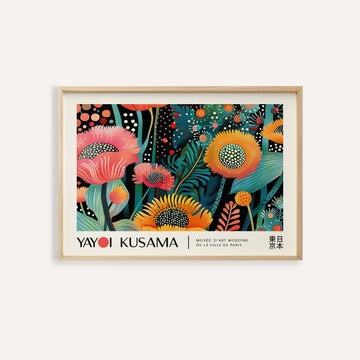
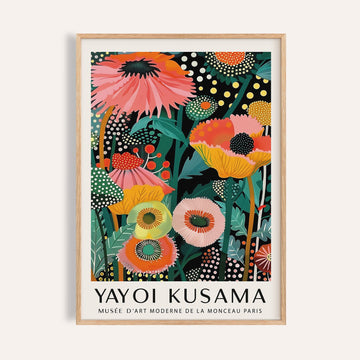
Japanese Flower Artwork
Japanese flower artwork has captivated viewers for centuries with its refined beauty, cultural symbolism, and close ties to nature. From the iconic cherry blossoms of Kyoto to intricate woodblock prints, this art form reveals a deep respect for seasonal change, spiritual beliefs, and the fleeting moments of life. Whether hanging on museum walls or brightening up homes as prints, Japanese flower artwork continues to inspire art lovers across the world.
Japanese Art
At the heart of Japanese art is a strong connection to nature. This is especially clear in works that focus on floral imagery. Artists throughout history have depicted flowers not just as decoration but as meaningful symbols. These include references to hope, peace, and the cycles of life. Many pieces are deeply influenced by Buddhist philosophy and the concept of impermanence, making flowers a natural subject.
Japanese art spans multiple forms: painting, sculpture, prints, and more recently, manga and anime. Yet across all these media, flowers remain a central motif. The use of contrast, fine detail, and negative space reveals how much artists value harmony and simplicity, two core aspects of Japanese aesthetics.
Japanese Flower Prints
Japanese flower prints, particularly those made during the Edo and Meiji periods, are some of the most recognizable forms of traditional Japanese artwork. These prints capture not only the physical beauty of flowers but also their spiritual and emotional meaning. Popular flower prints often feature blossoms paired with birds or seasonal backgrounds, tying into daily life and cultural rituals.
Prints served many purposes. They were collected as art, given as gifts, or used to celebrate the seasons. Cherry blossoms and plum blossoms are the most common motifs, representing fleeting beauty and renewal. These themes made the prints more than just pretty pictures. They became part of Japan’s cultural language.
Japanese Woodblock Prints
The technique behind many flower prints is known as ukiyo-e, or "pictures of the floating world." This printing method reached its peak in the eighteenth and nineteenth centuries. Masters like Hokusai and Hiroshige used it to capture everyday scenes, landscapes, and of course, flowers. The process involved carving images into wood blocks and pressing them onto paper using layers of ink.
Japanese woodblock prints required immense skill and collaboration between artists, carvers, and printers. The result was artwork that combined delicate detail with bold design. Flower prints in this style often portrayed arrangements in vases or natural scenes with blossoms and birds. They brought fine arts into the hands of everyday people and made a lasting impact on global art movements.
Japanese Flower Arrangement
Ikebana, the Japanese flower arrangement tradition, is another expression of floral artistry. Unlike Western arrangements that focus on fullness and color, ikebana emphasizes space, simplicity, and line. It's a quiet art form that encourages contemplation and respect for nature.
Originally practiced by Buddhist monks, ikebana later spread to samurai families and the imperial family before becoming part of popular culture. Arrangements might use cherry branches in spring, chrysanthemums in autumn, or bamboo in winter, reflecting the passage of time and the aesthetics of the season. Each arrangement tells a story and invites the viewer to pause and appreciate the present moment.
Flower Prints
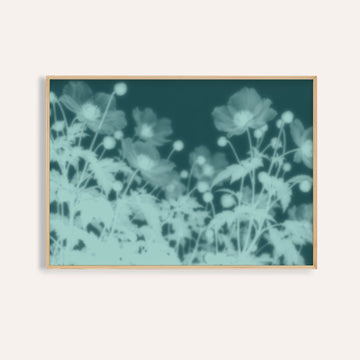
While many people associate flower prints with historical Japanese artwork, this tradition is still alive today. Modern artists continue to produce floral prints that honor classic techniques while introducing new styles and subjects. Digital tools and photography also play a role in capturing the beauty of Japanese flowers in vivid detail.
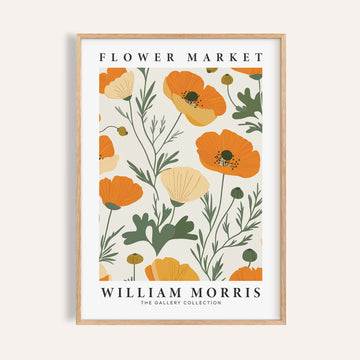
Whether hung in a gallery or printed on paper for home decor, flower prints continue to bring elements of Japanese culture into daily life. These works are often inspired by gardens, nature walks, or traditional motifs like bamboo, lotus flowers, and seasonal blooms.
Art Form
Japanese flower artwork, whether in prints, paintings, or arrangements, is more than visual expression. It is an art form that blends technique, tradition, and emotion. The use of space, the emphasis on subtle beauty, and the focus on seasonal change reflect deeper beliefs about life, nature, and time.
In many ways, this art form also reflects the values of the Japanese people. Ideas like mindfulness, gratitude, and simplicity are embedded in each stroke or blossom. From the careful composition of a vase to the precise linework of a print, Japanese flower artwork celebrates the beauty of small, fleeting moments.
Japanese Culture
The role of flowers in Japanese culture can't be overstated. They're not just decorative but are woven into the language, festivals, and daily rituals of life in Japan. For instance, cherry blossoms are celebrated nationwide during the spring Hanami festival, when people gather under blooming trees to mark the season of renewal.
Many flowers are linked to symbolic meanings. Chrysanthemums are tied to the imperial family and longevity. Plum blossoms signal the end of winter and new beginnings. Even the humble bamboo is a symbol of strength and resilience. These meanings have influenced Japanese artwork for centuries and continue to do so today.
Japanese Flower
Each flower in Japanese artwork carries its own symbolism and seasonal connection. Sakura (cherry blossoms) often stand for ephemeral beauty and the transience of life. Ume (plum blossoms) appear earlier in the year and symbolize hope and perseverance. Other flowers, like irises and lotuses, connect to spiritual beliefs or ideas of purity.
Artists use these flowers to express messages and emotions. The way a flower is arranged or illustrated. Its color, direction, or pairing with other elements, contributes to its meaning. These details make Japanese flower artwork feel personal and poetic.
Cherry Blossoms
No discussion of Japanese flower artwork is complete without highlighting cherry blossoms. These blossoms appear across nearly every form of art, from woodblock prints and screen paintings to anime scenes and manga illustrations. Their appeal is both visual and symbolic.
Cherry blossoms bloom for just a few short weeks each spring. This short-lived beauty has made them a symbol of fleeting moments and impermanence. The concept of "mono no aware" is central here, a gentle sadness and appreciation for things that do not last. Artists use cherry blossoms to reflect this feeling, whether in a landscape or as a single petal falling to the ground.
Popular Culture
The influence of Japanese flower artwork has extended into global popular culture. Anime and manga often feature flower symbolism to reflect characters’ emotions or set the tone of a scene. Floral motifs are also found in fashion, stationery, and home decoration around the world.
Museums frequently host exhibitions of Japanese paintings and prints, and many collectors seek out original works or modern reproductions. The aesthetics of Japanese flower artwork have shaped everything from minimalistic interior design to global perceptions of beauty, peace, and balance.
In today’s world, Japanese flower prints and artwork continue to offer both decoration and inspiration. They serve as reminders to appreciate fleeting beauty, honor nature, and find meaning in the small details of daily life.