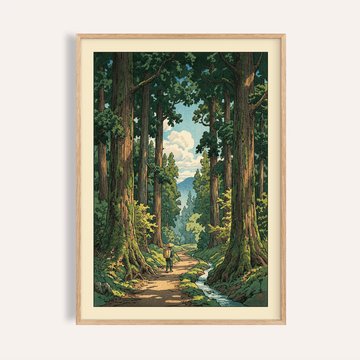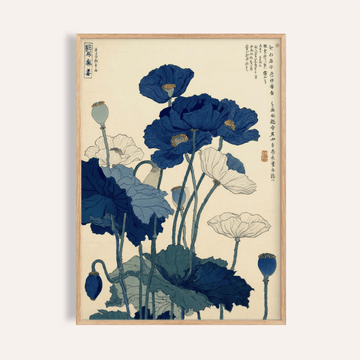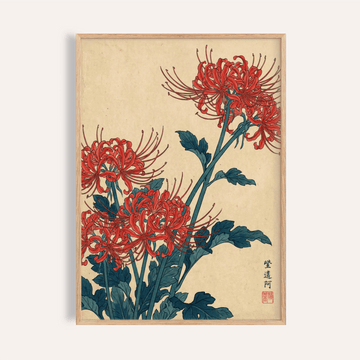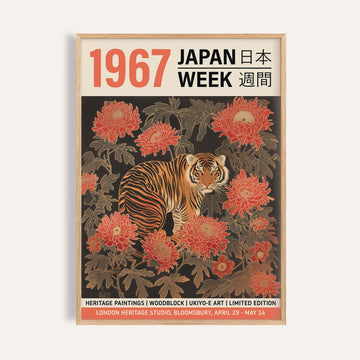
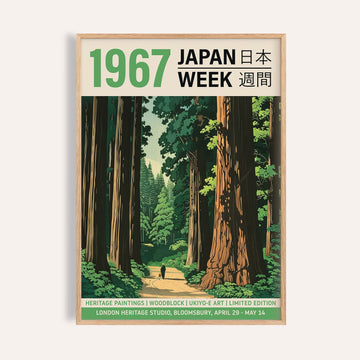
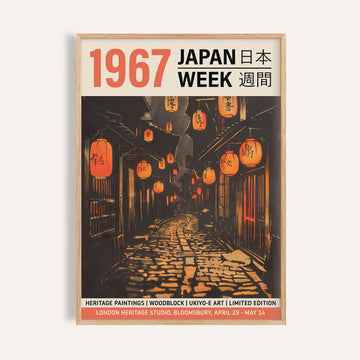

Japanese print blocks, especially woodblock prints, have shaped global art history with their precision, creativity, and enduring appeal. These prints continue to inspire collectors, designers, and artists alike. At Laboo Studio, we celebrate this storied tradition by offering reproductions and inspired art prints that honor the beauty of Japanese craftsmanship.
The Origins of Japanese Woodblock Prints
Woodblock printmaking in Japan began centuries ago and became a cornerstone of Japanese art. During the Edo period, this technique evolved into a widely respected art form, known for its clean lines, elegant images, and deep cultural roots. Artists, carvers, printers, and publishers each played a role in the process, combining skills to create powerful works.
Understanding Japanese Print Blocks
Japanese print blocks were traditionally carved from wood, typically cherry, for its durability and ability to hold fine detail. Each color in a print required a separate block, carefully aligned by hand to ensure accuracy. This precision gave rise to the clean lines and layered colors that define classic Japanese prints.
Woodblock Prints: Art in Layers
The final print is the result of collaboration between multiple craftsmen. An artist would design the image. A skilled carver would transfer and carve the design onto wooden blocks. Printers then applied ink with brushes, using water-based inks for vibrant, translucent colors. The finished image was pressed onto rice paper.
Japanese Woodblock Prints in Everyday Life
During their peak in the Edo period, Japanese woodblock prints weren’t just high art. They were mass media. Single sheet prints depicting beautiful women, landscapes, and kabuki actors were sold to the public, bringing accessible art into homes across Japan.
Ukiyo-e and the Floating World
Ukiyo-e, or "pictures of the floating world," was a popular style of Japanese prints that portrayed the fleeting pleasures of urban life. These works showed scenes of theater, nightlife, courtesans, and everyday joy. They offer a window into Japanese society during the Edo period.
The Appeal of Moku Hanga
Moku hanga refers to traditional Japanese woodblock printmaking. Unlike Western printmaking, which often uses oil-based inks, moku hanga uses water-based inks. This allows for more subtle blends, layered textures, and a soft, painterly feel.
Shin Hanga and Evolution of Style
In the early 20th century, the shin hanga movement brought a modern twist to traditional methods. Artists preserved the woodblock printmaking technique but updated the imagery with influences from Western art. The result? Elegant portraits, scenic landscapes, and rich details that expanded Japanese art into new markets.
Materials That Make It Work
Printmaking required the highest-quality materials to achieve detail and durability:
-
Wood: Typically cherry, carved with precision.
-
Ink: Water-based or oil-based, depending on the era and region.
-
Paper: Thin rice paper, prized for absorbing ink evenly.
-
Brushes: Used instead of rollers for delicate control.
-
Baren: A handheld tool used to press the paper onto the inked block.
The Role of the Publisher
In many cases, publishers were as influential as the artists. They managed the production process, commissioned designs, and distributed the finished works. Famous publishers helped launch the careers of now-iconic artists and ensured quality was consistent across collections.
Monochrome vs. Full Color Prints
Early Japanese prints were often monochrome, using just black ink. As techniques evolved, artists began introducing full-color prints using multiple woodblocks. The transition marked a turning point in Japanese print design, allowing for more expression and depth.
Precision in Every Line
Clean lines are a hallmark of Japanese print blocks. Achieving this level of precision requires immense skill and patience. Artists carefully designed their work with sharp lines and clear composition, which had to survive the carving and inking process intact.
Themes Found in Japanese Art
Popular scenes in Japanese prints included:
-
Landscapes: Mt. Fuji, cherry blossoms, rivers
-
Beautiful women: Courtesans, geisha, fashion
-
Kabuki actors: Dynamic expressions and poses
-
Folktales: Mythology, spirits, and moral tales
-
Everyday life: Markets, festivals, nature walks
The Global Reach of Japanese Prints
Japanese woodblock prints didn’t stay in Japan. Western artists in the 19th century, including Van Gogh and Monet, collected and studied them. Today, institutions like the Metropolitan Museum house extensive Japanese print collections.
Why Reproductions Matter
Original prints from the Edo or shin hanga periods can carry a steep price. High-quality reproductions offer a chance to enjoy the art without the cost, keeping these traditions alive and accessible. At Laboo Studio, we offer art prints inspired by traditional Japanese woodblocks, perfect for collectors or anyone who appreciates timeless design.
Collecting Japanese Prints Today
If you're new to collecting, start with a style or subject that speaks to you. Consider value, detail, paper quality, and historical significance. Whether you're drawn to portraits of beautiful women or sweeping landscapes, there's something for every art lover.
Notes on Quality and Detail
Not all prints are created equal. Look for clean registration (alignment of layers), crisp lines, and strong paper. Prints that showcase subtle gradation of color and intricate carving are especially valuable.
Traditional Methods Still in Use
Even in today's digital age, some artists in Japan continue using traditional tools and methods. This commitment to heritage ensures that the craft lives on and evolves.
The Artist's Vision
Each print begins with an artist’s design. These designers had to think in reverse, knowing that everything would be carved and printed as a mirror image. The planning and skill involved in composition, line work, and tone separation were immense.
Tokyo and the Printmaking Hub
Tokyo was a cultural center for woodblock printing. Many artists, publishers, and printers operated there, turning it into the heart of the ukiyo-e world. Today, you can still find galleries and workshops in Tokyo dedicated to this historic craft.
Modern Takes on Classic Styles
While rooted in tradition, many modern artists blend Japanese techniques with contemporary themes. Think abstract interpretations, urban life, or monochrome minimalism using the same carved wood and brush-applied ink.
How Laboo Studio Honors Japanese Printmaking
At Laboo Studio, we value the detail, history, and style of Japanese woodblock prints. Our curated art prints include inspired reproductions that reflect the beauty of carved lines, floating world elegance, and centuries-old craftsmanship. Whether you're decorating a modern space or building a collection, our prints offer a chance to connect with this rich artistic legacy.
Final Thoughts: Why Japanese Print Blocks Still Matter
Japanese print blocks remain a symbol of creativity, precision, and artistic harmony. They tell stories not only through pictures but also through materials, process, and collaboration. Their influence continues today in everything from interior design to fine art collections around the world.