Japanese print art has captivated collectors for centuries. From traditional woodblock prints to sleek modern style renditions, the appeal is timeless. When you browse a Japanese print collection today, you tap into a rich culture of image‑making, history, and visual storytelling.
In this post, we tour the major styles: woodblock prints, the floating world, ukiyo e, and shin hanga. We explain how these styles connect to Western influence, like van Gogh, and how modern print lovers keep updating their collections.
Woodblock Prints
Woodblock prints are the foundation of Japanese printmaking. The process involves carving a design into wood, inking it, and pressing paper to transfer the image. These works often come in hundreds or thousands of copies, each slightly different.
Collectors pay attention to date, edition, condition, and whether the print is from the original block or a later reprint. Many woodblock prints are part of established collection lines, and shops often show updates when new works become available.
This medium allowed artists to produce art that was more affordable yet still expressive. Styles ranged from dramatic landscapes to delicate images of daily life. Over time, woodblock prints influenced impressionists in Europe, bridging cultures.
Floating World
The concept of the floating world is central to Japanese print culture. Called ukiyo in Japanese, it refers to the urban pleasures of life: theater, courtesans, snow scenes, gardens, and bustling streets. Artists captured these transient moments in vivid imagery.
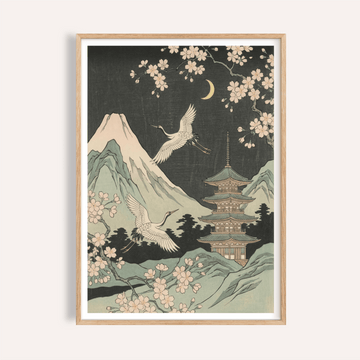
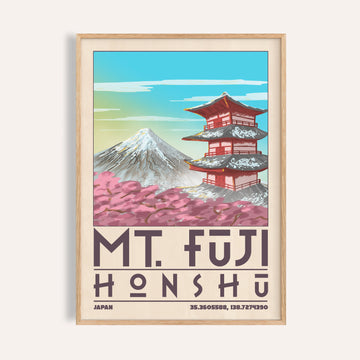
These floating world images became the iconic scenes people associate with Japan. Waves, gardens, bridges, paths, cherry blossoms, all of these motifs helped define the floating world aesthetic. Over time, collectors have built themed collections around these scenes.
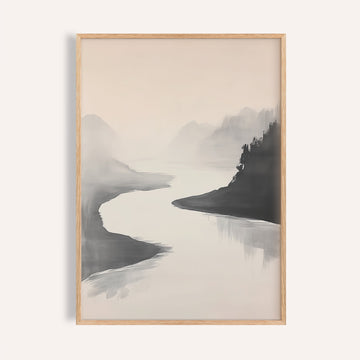
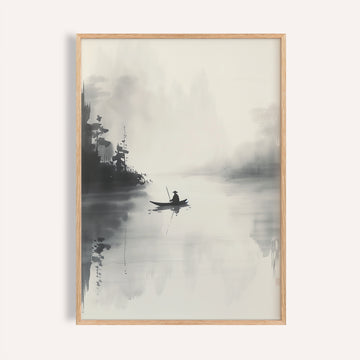
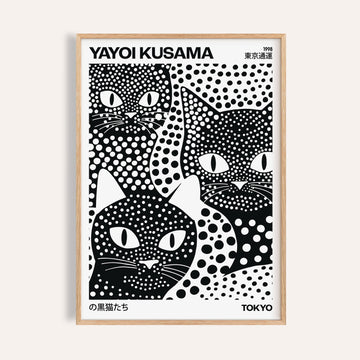
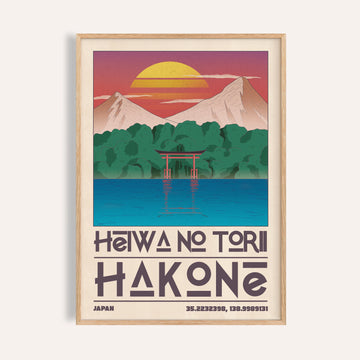
In modern style interpretations, contemporary artists reimagine the floating world in minimalist color palettes or mixed media prints, updating the tradition for new audiences.
Ukiyo E
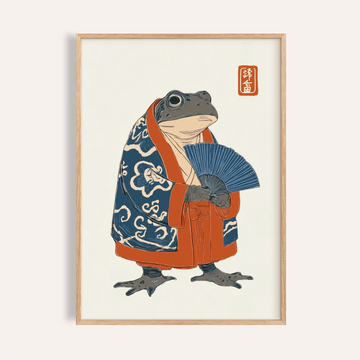
Ukiyo e is the “pictures of the floating world” movement in Japanese art history. From the 17th to 19th centuries, ukiyo e artists produced woodblock prints and paintings depicting kabuki actors, geisha, landscapes, and scenes from stories.
One of the most famous images is “The Great Wave off Kanagawa”, with its dramatic curve and energy. That wave motif became a symbol in art worldwide. The popularity of ukiyo e reached Europe in the 19th century, inspiring impressionists and even van Gogh to experiment with bold outlines, flat color areas, and unusual perspectives.
When you browse a ukiyo e print, you see the confluence of culture, craftsmanship, and storytelling. Many of those prints survive in museums, collections, and private holdings.
Shin Hanga
While ukiyo e represents older tradition, shin hanga emerged in the early 20th century as a modern revival. “Shin hanga” means “new prints.” Artists blended Western techniques, light, shading, perspective, with traditional woodblock methods.
In shin hanga, you often see natural imagery: landscapes, night scenes, birds, water, waves, clouds. The style is elegant, refined, and often more personal than mass-market prints. Collectors of modern style Japanese print often favor shin hanga for its balance of tradition and innovation.
Many shin hanga works were produced in limited editions, making them pricier. Collectors sometimes pay thousands for rare pieces. Modern sellers list works with high-resolution image previews and let you place prints in your cart, sometimes with updates when new editions are released. Keeping track of year of production, signature stamps, and condition is crucial.
If you enjoy Japanese prints, exploring all these styles gives you depth and variety in your collection. Whether you lean classic ukiyo e or modern shin hanga interpretations, each print carries culture, story, and artistry.