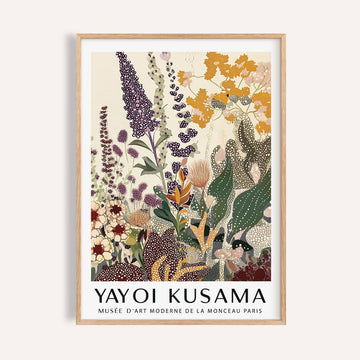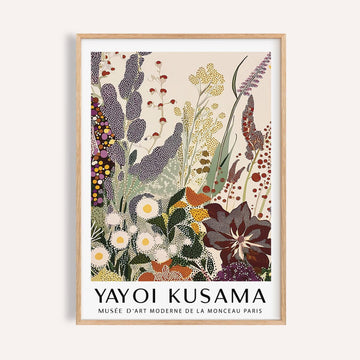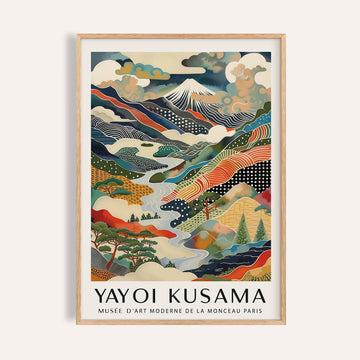
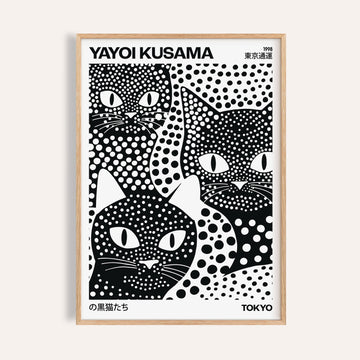
Japanese Wall Art for Bedrooms: Calm and Character
Bedrooms are personal spaces, and the right art can help create a mood that’s both restful and reflective. Japanese wall art is especially well suited to this setting, thanks to its soft tones, balanced compositions, and themes that center on nature, stillness, and simplicity. Whether you're furnishing a new home or updating your current bedroom, incorporating Japanese artwork can help you design a space that feels grounded and expressive.
Why Japanese Wall Art Works in Bedrooms
Unlike more decorative or busy styles of art, Japanese wall art tends to be calm in tone and minimal in design. It draws from natural subjects, mountains, waves, birds, blossoms, making it perfect for a room meant to be a retreat. The artwork’s quiet rhythm helps soften the space, especially when combined with cozy bedding, soft lighting, and neutral textures.
Many pieces also include symbolic references to ideas like longevity, change, or balance, ideas that complement the restful and personal feel of a bedroom.
Popular Styles for Bedroom Spaces
Several types of Japanese wall art work especially well in the bedroom:
- Ink wash landscapes: These monochrome pieces use flowing brushwork to depict mountains, rivers, or forests in a subtle, dreamy style.
- Nature prints: Woodblock-style prints of birds, trees, or cherry blossoms bring a gentle touch of color and seasonal energy.
- Ensō or calligraphy: For a more abstract feel, simple brushstroke circles or kanji characters add visual balance and meaning.
Each of these can work on its own or as part of a larger grouping, just keep the palette and spacing consistent.
Placement Tips for the Bedroom
Where you hang the art matters just as much as the style. The wall above the bed is the most common location, but there are other options too. Consider placing a vertical piece beside a floor lamp, or using a pair of smaller artworks above matching bedside tables. Horizontal scrolls also work well above a headboard, drawing the eye across the room without crowding the wall.
For larger bedrooms, you can even create a gallery wall using several coordinated pieces. The key is to allow enough space between them so the room doesn’t feel too busy. Japanese art thrives on simplicity, so embrace that when planning your layout.
Colors That Complement Japanese Art
Most Japanese wall art is made using muted, natural colors, think soft indigo, charcoal, moss green, and faded red. To create a cohesive look in your bedroom, echo those tones in your textiles, rugs, and decorative objects. Linen bedding, light woods, and textured neutrals work beautifully alongside these artworks.
If you're adding color through the art, keep the surrounding decor soft and pared-back. Let the artwork become the accent in an otherwise calm palette.
Framed or Unframed?
Framing adds structure and works well for smaller prints or delicate pieces like antique woodblocks. Choose frames that are minimal, light wood, black, or white. So they don’t overpower the artwork. Unframed prints hung with simple clips or hangers are more relaxed and blend easily into casual or Japandi-style interiors.
Whatever you choose, make sure the art is hung securely and at eye level when you’re sitting on the bed. It’s your space, so the artwork should meet you where you rest.
Layering With Other Decor
Japanese wall art doesn’t have to stand alone. It can sit comfortably among other natural accents, ceramics, dried grasses, linen curtains, or stone. Try placing a piece of artwork above a small console or dresser, styled with a soft lamp and a bowl or vase to match the room’s palette.
Another idea is to lean a framed piece against the wall on a floating shelf. This creates a relaxed, informal feel that still looks intentional and well-considered.
Where to Find Bedroom-Ready Pieces
Look for art that speaks to you, not just visually, but emotionally. Choose a piece that brings a sense of calm or reflection. Our Japanese art prints collection includes a wide variety of pieces suited for bedrooms, from traditional woodblock-inspired works to modern ink studies.
Final Thoughts
Bedrooms should feel personal and peaceful, and Japanese wall art is a quiet but powerful way to shape that mood. With its gentle colors, thoughtful themes, and uncluttered style, it’s well suited to the kind of rest and rhythm a bedroom should offer. Choose art that reflects how you want to feel, and let it guide the atmosphere of your space.