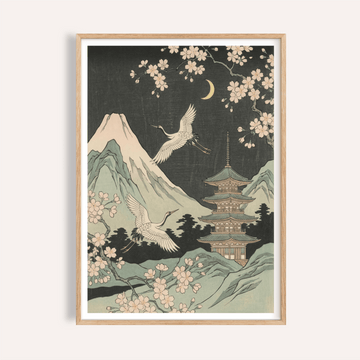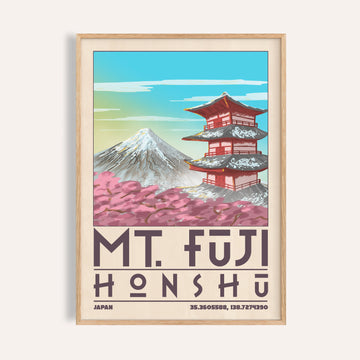
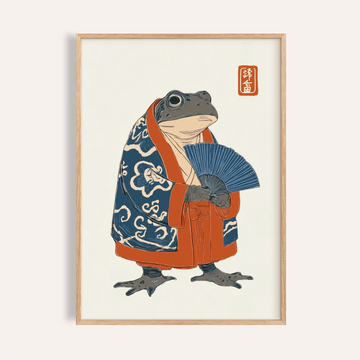
Old Japanese artwork is a window into Japan’s long history and culture. From the bold lines of ukiyo e woodblock prints to the delicate beauty of silk paintings, these artworks show how Japanese artists captured everyday life, nature, and traditions. Collectors today value these prints and paintings not just for their beauty but also for their place in the history of art.
Japanese Art
Japanese art reflects both tradition and innovation. Early works often focused on nature, religion, and human life. Over time, Japanese painting, printmaking, and drawings developed into distinct styles that influenced Western tradition. Themes such as women, flowers, landscapes, and animals appear often. Japanese art became an important element in shaping how the world viewed Japan.
Woodblock Prints
Woodblock prints, also called Japanese woodblock, became one of Japan’s most influential art forms. The printing techniques used bold lines and layered ink to create clear images. This allowed artists to produce a large number of prints that could reach wide audiences. Subjects often included kabuki actors, female beauties, birds, and travel scenes.
Japanese Artists
Masters like Hokusai and Hiroshige are famous for their ukiyo e woodblock prints. These artists created works that depicted landscapes, the floating world, and scenes from Japanese culture. Later, artists in the Meiji period and 20th century blended Western style with traditional methods. Their work shows how Japan’s art was influenced by both its own tradition and ideas from abroad. Explore Japanese wall art inspired by these traditions and modern interpretations.
Japanese Painting
Japanese painting ranges from delicate ink drawings to bold silk screens. Paintings often depicted nature, human figures, and folk tales. Flowers, the moon, and seasonal changes were important subjects. The style varied across schools, but the focus on balance, beauty, and tradition remained strong.
Ukiyo E Woodblock Prints
Ukiyo e means “pictures of the floating world.” These prints grew popular during the Edo period. They often depicted kabuki actors, women, and urban life. The genre’s golden age showed detailed printing techniques and fine use of color. Ukiyo e woodblock prints later influenced Western art, especially in France, where Impressionist painters admired their bold style.
Japanese Prints
Japanese prints evolved over centuries. Early ukiyo e focused on such subjects as daily life and pleasure scenes. Later, shin hanga prints revived traditional methods but added modern style. Travel scenes, landscapes, and especially birds became popular themes. Prints were an important element of Japanese culture and remain influential in contemporary art.
20th Century
In the 20th century, Japanese artists continued printmaking while also experimenting with Western style. This period saw a revival of interest in old Japanese artwork, leading to new movements like shin hanga. These prints combined traditional methods with modern techniques, keeping the art form alive for a new audience.
Floating World
The floating world was a term for the urban lifestyle of Edo Japan. It was a world of kabuki, teahouses, and beauty. Artists captured this lifestyle in ukiyo e prints, showing both glamour and everyday life. These pictures remain one of the most vivid records of Edo period culture.
Ukiyo E
Ukiyo e as a genre lasted from early ukiyo e in the 1600s through the late Edo period. Its subjects included women, actors, landscapes, and scenes of leisure. The prints show a long history of Japanese culture, with images that still feel fresh today.
Early Ukiyo E
Early ukiyo e prints were simple, often printed in black ink with hand coloring. As printing techniques developed, artists began using multiple blocks for color. This allowed more detailed pictures and made ukiyo e a central part of Japanese art.
Meiji Period
During the Meiji period, Japan opened more to Western influence. Art changed as new styles appeared. Some prints depicted modern cities and railways, showing how Japan was changing. Others kept to traditional methods, balancing old and new.
Shin Hanga
Shin hanga, meaning “new prints,” was a revival movement in the early 20th century. These works were created using traditional printmaking methods but often depicted modern subjects. Travel scenes, women, and landscapes were common. Shin hanga prints are an example of how Japanese prints adapted to modern times while keeping their heritage.
Golden Age
The golden age of ukiyo e came in the late Edo period, when masters like Hokusai and Hiroshige created some of the most famous Japanese prints. Works such as The Great Wave off Kanagawa became symbols of Japanese art worldwide. This era shows how a traditional genre reached its peak before giving way to new styles.
Japanese Woodblock
Japanese woodblock art is one of the most influential forms in the world. It shaped how later artists in both Japan and the West thought about style, line, and beauty. The long history of woodblock printing shows a tradition that adapted across centuries, from early ukiyo e to shin hanga and beyond.