Introduction
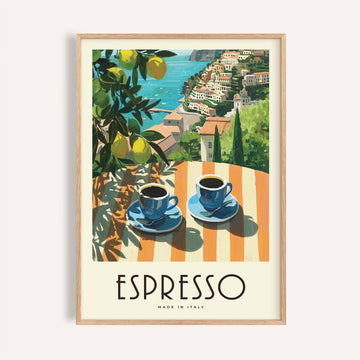
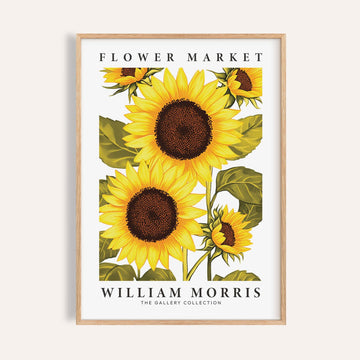
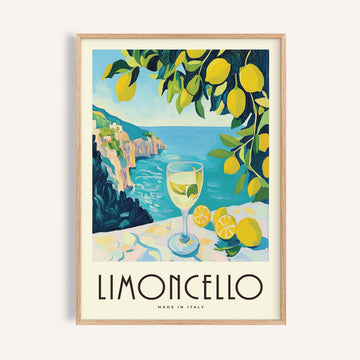
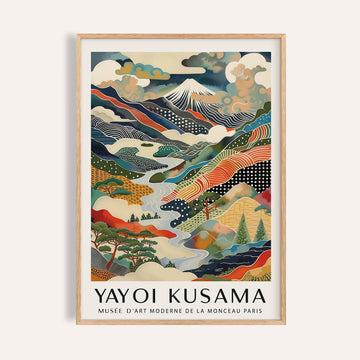
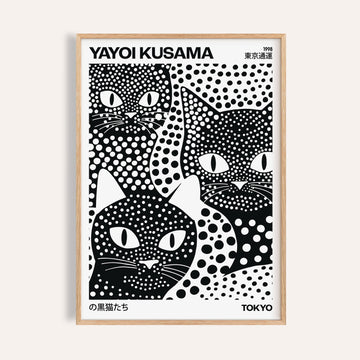
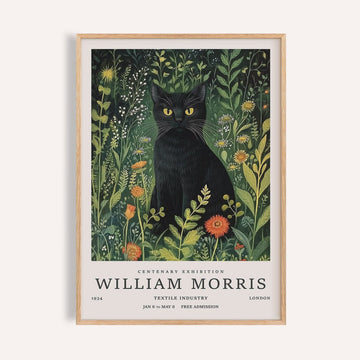
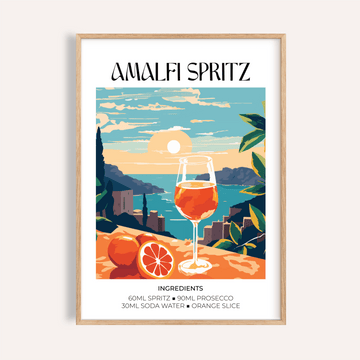
Poster prints are high-quality reproductions of artwork, photography, or graphics printed on premium paper designed specifically for wall display. Unlike mass-produced posters of decades past, today’s prints offer exceptional color accuracy, durable materials, and sophisticated designs that elevate any room from ordinary to inspired.
This guide covers everything you need to know about print types, quality standards, and display options for transforming your walls into curated galleries. Whether you’re a homeowner looking to decorate a bedroom, a renter wanting easy-to-hang art, or an office decorator seeking to add personality to workspace walls, you’ll find actionable guidance here. We focus on purchasing and displaying ready-made prints rather than custom artwork creation.
Direct answer: Poster prints are professionally reproduced images-ranging from fine art and photography to abstract designs and typography-printed on premium paper stock for mounting or framing as wall art.
By the end of this guide, you will:
Understand the quality differences between paper types, coatings, and printing techniques
Know how to choose appropriate sizes and materials for your space
Learn how to create cohesive gallery wall displays that reflect your personal style
Discover how to maintain print longevity and protect your investment
Understanding Poster Prints
Poster prints represent a significant evolution from traditional posters. While vintage promotional posters were designed for mass consumption and temporary display, modern art prints prioritize archival quality, color fidelity, and aesthetic sophistication suitable for home decor that lasts.
This shift matters for anyone seeking affordable alternatives to original artwork. Quality prints allow you to bring beautiful art prints into your life without gallery-level prices, making it easy to decorate with images that inspire you.
Print Quality and Materials
Paper weight directly impacts how prints look and feel on your walls. Premium options typically use 200g/m² paper or heavier, providing substantial body that resists curling and maintains a flat surface. Standard poster paper ranges from 100-150g/m² and works for temporary displays but lacks the presence of heavier stock.
Coating types affect both appearance and durability:
Matte finishes eliminate glare entirely, making them perfect for rooms with lots of natural light or spaces where you want a softer, more sophisticated look
Semi-gloss finishes balance color vibrancy with reduced reflection, offering versatility across various lighting conditions
Glossy finishes maximize color saturation and contrast, ideal for photography and bold graphics but prone to fingerprints and glare
The coating you choose connects directly to where you’ll hang the print. A matte finish works beautifully in a bright bedroom corner, while glossy surfaces shine in controlled gallery lighting.
Print Categories and Styles
Art posters span an impressive variety of categories, each suited to different rooms and moods:
Photography prints capture nature, cityscapes like Paris or beach scenes, and portraits with stunning realism
Abstract art brings bold color and form to contemporary spaces
Typography and quotes add inspiration and personality through words
Vintage and retro designs evoke nostalgia with their distinct aesthetic character
Scandinavian design emphasizes minimalism with clean lines and muted palettes
Maps and travel imagery celebrate world exploration and wanderlust
Music, sports, and food themes reflect personal passions
Browse different styles to discover artwork that matches your interior vision. The relationship between style and room function matters-energetic sports prints suit a home gym, while serene nature photography creates calm in a bedroom.
Understanding these foundations prepares you to explore the technical aspects of how prints are produced and sized.
Printing Techniques and Size Options
With quality fundamentals established, let’s examine the practical specifications that affect what you receive when ordering poster prints.
Digital Printing Methods
Modern poster production primarily uses two digital approaches. Inkjet printing excels at reproducing fine art and photography with exceptional color gradations and detail. Laser printing offers speed and consistency, working well for bold graphics and text-heavy designs.
Fade resistance has improved dramatically thanks to archival inks that maintain color accuracy for decades when displayed away from direct sunlight. Reputable print vendors use pigment-based inks rather than dye-based alternatives, ensuring your collection maintains vibrancy over time.
Standard Size Categories
Poster prints come in sizes ranging from intimate to statement-making:
Category |
Common Sizes |
Best Applications |
|---|---|---|
Small |
8x10”, A4 |
Shelf displays, grouped arrangements |
Medium |
16x20”, A3 |
Focal points in small rooms |
Large |
24x36”, A2 |
Living room statements |
Extra Large |
27x39”, A1 |
Gallery walls, feature walls |
International size standards (A4, A3, A2, A1) offer consistency across brands, making it easy to find frames that fit. Standard sizes typically carry a lower regular price than custom dimensions.
Custom Size Capabilities
When standard options don’t suit your space, custom sizing provides flexibility. Oversized prints create dramatic impact in large rooms, while unusual dimensions fill awkward wall spaces perfectly.
Consider these factors for custom orders:
Measure your available wall area precisely before ordering
Account for viewing distance-larger prints need more space for proper appreciation
Check whether your chosen vendor offers custom frames to match
These specifications directly influence how you’ll display your prints, which we’ll explore next.
Selecting and Displaying Poster Prints
Armed with knowledge about quality and sizing, you’re ready to create displays that transform your walls into expressions of personal style.
Room-Specific Selection Process
Matching prints to room function and aesthetics ensures cohesive home decor. Follow this process:
Assess wall space and lighting conditions - Measure the area and note whether light is natural, artificial, warm, or cool. This determines finish choices and sizing.
Choose theme and color palette coordination - Select artwork that complements existing furniture and decor. A kitchen might welcome food photography, while a home office benefits from inspiring quotes or calm nature images.
Select appropriate sizes for visual impact - Use the two-thirds rule: artwork should span roughly two-thirds of furniture width below it. A sofa under 60 inches suggests a print approximately 40 inches wide.
Consider viewing distance and height placement - Hang artwork at eye level (center point around 57 inches from floor). In rooms where you’ll primarily sit, lower the placement accordingly.

Framing vs Unframed Display Comparison
Criterion |
Framed Display |
Unframed Display |
|---|---|---|
Cost |
Higher initial investment |
Low entry price |
Durability |
Protected from damage |
Vulnerable to handling |
Style Flexibility |
Fixed presentation |
Easy to swap and rotate |
Installation |
Requires secure hanging |
Simple clips or tape options |
Synthesis: Choose frames for permanent displays of prints you love, giving them the protection and presence they deserve. Opt for unframed options when exploring styles, creating temporary seasonal displays, or working within a tight budget. Many collectors start unframed and add frames to favorites over time.
Gallery wall arrangements offer particular creative freedom. Mix sizes and styles while maintaining visual harmony through consistent spacing or color themes. Thanks to affordable prints, you can experiment freely until you find combinations that make you happy.
Common Challenges and Solutions
Even with careful planning, poster print purchases occasionally present obstacles. Here’s how to handle the most common issues.
Color Accuracy Issues
Prints sometimes arrive looking different from images on your screen. Solution: Understand that monitor calibration varies significantly. Request color proofs from reputable printers before ordering large or expensive prints. Check whether vendors provide ICC profiles or color accuracy guarantees with their products.
Size Misjudgment
Pictures on screens deceive our sense of scale. Solution: Create paper templates using newspaper or craft paper cut to exact dimensions. Tape templates to your wall and live with them for a day before ordering. This simple step prevents the disappointment of prints that feel too small or overwhelm a space.
Print Damage During Shipping
Despite careful packaging, damage occasionally occurs during transit. Solution: Choose vendors offering protective tube shipping for rolled prints or rigid mailers for smaller sizes. Verify return policies before purchasing-reputable sellers replace damaged items without hassle. Fast shipping often reduces handling exposure, lowering damage risk.
These solutions help ensure your poster print experience delivers the results you envision.
Conclusion and Next Steps
Quality poster prints offer an accessible path to sophisticated wall art that reflects your personality and transforms your space. Success depends on understanding material differences, selecting appropriate sizes for your rooms, and choosing display methods that suit your lifestyle and budget.
Your immediate next steps:
Measure your available wall spaces and note lighting conditions
Browse reputable print vendors to explore categories and styles that resonate
Start with one or two prints before committing to larger gallery wall projects
Add prints to your cart and check size visualization tools offered by vendors
As you build your collection, you may want to explore custom framing options for favorite pieces, seasonal print rotation to keep your space fresh, or advanced gallery wall techniques that create museum-quality displays at home.
Additional Resources
Paper Certifications: Look for FSC (Forest Stewardship Council) or PEFC certification when choosing environmentally conscious vendors. These standards ensure sustainable sourcing.
Planning Tools: Many vendors offer online room visualization tools that let you see how prints look on your walls before ordering. Size calculators help translate dimensions into real-world impact.
Vendor Selection: Prioritize brands offering:
Detailed product images showing texture and color
Customer reviews with photos
Clear return policies for damaged or misrepresented items
Contact information for pre-purchase questions
Variety in styles and sizes to match millions of personal preferences
Quality prints, thoughtful selection, and proper display create wall art that brings joy for years-transforming houses into homes filled with images you love.