
Introduction
Posters with animals bring the natural world directly onto your walls, transforming ordinary spaces into visual experiences that capture wildlife beauty and artistic expression. Whether you’re drawn to majestic lions, delicate butterflies, or striking birds, animal posters offer accessible wall art that speaks to our fundamental connection with the natural world.
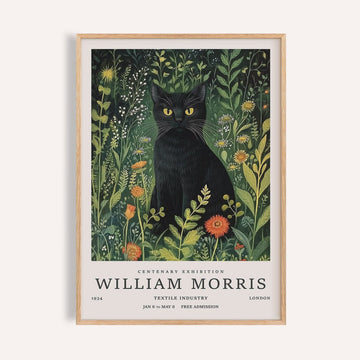
Animal posters are available in a wide variety of styles, including black and white prints, colorful illustrations, whimsical and minimalist designs, and vintage or bohemian motifs. They can be used to decorate various spaces, from kids' bedrooms to living rooms and offices, and are suitable for all ages and decor preferences.
This guide covers everything you need to know about selecting, styling, and placing animal-themed prints in contemporary homes. The focus remains on practical decision-making for design-conscious buyers who want thoughtful artwork rather than generic decor. Topics outside interior applications-such as commercial display or outdoor signage-fall beyond this scope.
Animal posters work effectively in living rooms, bedrooms, offices, and creative spaces when chosen for visual impact and room compatibility. The key lies in matching subject matter, artistic style, and scale to your specific environment.
By the end of this guide, you will:
Understand the main categories of animal poster art and their visual characteristics
Know how to select appropriate pieces for specific rooms in your home
Master proper display techniques for maximum impact
Avoid common placement mistakes that diminish artwork effectiveness
Build a curated collection that reflects your personal taste
Understanding Animal Poster Art
Animal poster art encompasses contemporary wall prints featuring animal subjects across various artistic interpretations-from realistic wildlife photography to minimalist graphic designs. These prints serve as more than decoration; they create focal points, establish mood, and communicate personal values about nature and beauty.
The relevance to modern interior design continues growing as homeowners seek alternatives to abstract art and generic landscapes. Animal imagery adds life and movement to walls while connecting indoor spaces to the wild world outside.
Common Styles of Animal Posters
Common styles of animal posters include:
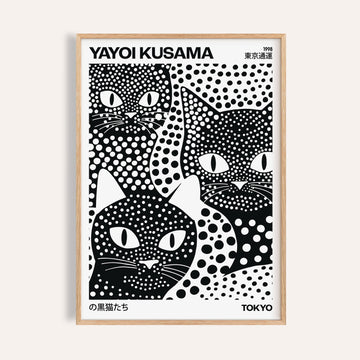
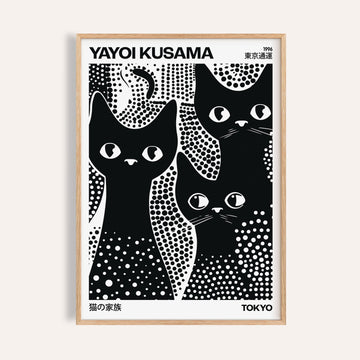
Black and white prints: Characterized by clean lines and neutral palettes, these offer a timeless and sophisticated look that fits with a variety of decor styles.
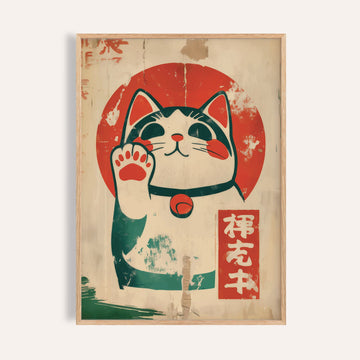
Colorful illustrations: Vibrant and eye-catching, these prints bring energy and playfulness to any space.
Whimsical designs: Often featuring soft illustrations of woodland animals and storybook-style creatures, these are especially popular in children's rooms and nurseries.
Minimalist and Scandinavian styles: Defined by clean lines and muted colors, these posters create a calm, modern atmosphere and work well in serene spaces.
Bohemian prints: Incorporate richer textures and layered designs, sometimes featuring animals in imaginative or whimsical settings.
Vintage or antique prints: Offer a nostalgic or classic feel, often with detailed illustrations or aged paper effects.
Wildlife and Safari Posters
Wild animals dominate the animal poster market, with lions, elephants, tigers, and bears commanding attention through their powerful presence. Safari subjects bring African savanna energy into living spaces, while forest creatures like wolves and deer offer more subdued natural connections.
Bird and Insect Posters
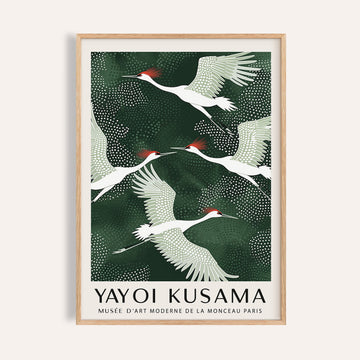
Birds represent another popular category, spanning tropical species with vibrant plumage to owls with mysterious appeal and flamingos with their distinctive silhouettes. Abstract bird forms translate well into minimalist interiors where clean lines matter.
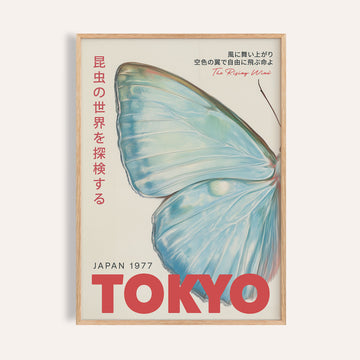
Insects and small creatures-particularly butterflies and beetles-offer unexpected sophistication. Graphic interpretations of these subjects work beautifully in modern spaces, while vintage scientific illustrations appeal to those drawn to natural history aesthetics.
The connection between subject choice and room atmosphere proves direct: energetic wildlife creates dynamic environments, while calming creatures like deer or fish promote relaxation.
Abstract and Vintage Styles
Abstract animal posters and vintage or antique prints provide unique alternatives to traditional wildlife photography. Abstract styles may use geometric shapes, bold colors, or stylized forms to represent animals, making them ideal for modern or eclectic interiors. Vintage and antique prints, often inspired by scientific illustrations or classic art, add a touch of history and sophistication to any room.
Artistic Styles and Approaches
Photography-based prints deliver realistic wildlife documentation, capturing animals in natural habitats with striking detail. These work for viewers who appreciate authenticity and the raw beauty of nature unfiltered.
Illustrated and graphic designs take animal forms into artistic territory, from minimalist single-line drawings to bold pop art interpretations. These options suit spaces where you want animal presence without photographic literalism.
Key Styles Defined:
Black and white prints: Characterized by clean lines and neutral palettes, offering a modern and timeless look.
Colorful illustrations: Bright, lively, and often playful, these prints add vibrancy to any room.
Whimsical designs: Feature soft illustrations of woodland animals and storybook-style creatures, perfect for nurseries and children's spaces.
Minimalist and Scandinavian styles: Focus on clean lines and muted colors, creating a calm and uncluttered feel.
Bohemian prints: Richer textures and layered designs, sometimes with animals in imaginative or whimsical settings.
Vintage or antique prints: Classic, detailed illustrations or aged effects, ideal for adding a nostalgic or sophisticated touch.
Black and white compositions versus color presents a fundamental choice. Monochrome animal prints create sophisticated, timeless statements that integrate easily with diverse decor schemes. Color prints make bolder declarations, requiring more careful coordination with surrounding elements.
Understanding these stylistic distinctions prepares you for the practical decisions ahead: which animals, in what style, for which specific rooms?
Choosing Animal Posters for Different Spaces
The art you select must serve its intended environment. Room function, existing furniture, lighting conditions, and wall dimensions all influence which animal posters succeed in any given space.
Living Room
Large-format animal prints work exceptionally well above sofas and as statement focal points in living areas. A commanding elephant photograph or graphic lion print can anchor an entire room’s design scheme.
Color coordination with existing furniture and lighting determines whether artwork enhances or clashes with your space. Pull accent colors from the print into throw pillows or decorative objects to create cohesion. Browns and earth tones in wildlife photography complement leather furniture and wooden elements naturally.
Balancing bold animal imagery with room scale prevents overwhelming effects. Spacious rooms handle dramatic tigers and charging elephants; smaller living areas benefit from subtler animal subjects or smaller print dimensions.
Bedroom and Personal Spaces
Calming animal subjects-deer in misty forests, serene birds, sleeping cats-support restful bedroom atmospheres. Reserve energetic wildlife imagery like hunting predators for spaces where activation rather than relaxation serves your goals.
Size considerations for intimate spaces favor medium prints over oversized statements. A bedroom should feel like a sanctuary, not a gallery overwhelming its occupants.
Placement relative to bed positioning matters practically. Art positioned where you see it upon waking sets morning tone, while pieces visible from the bed during evening hours influence relaxation. Natural light from windows can fade prints over time, so position accordingly.
Office and Creative Spaces
Professional-appropriate animal artwork selection depends on your work environment. Home offices offer flexibility; client-facing spaces require more conservative choices. A striking owl print communicates wisdom and focus, while playful monkey illustrations might undermine professional credibility.
Graphic and minimalist animal designs work particularly well in focus environments where visual complexity becomes distraction. Clean lines and limited color palettes support concentration while maintaining visual interest.
The connection between animal imagery and productivity is real-surrounding yourself with images you find inspiring creates an environment that supports creative work and sustained attention.
Styling and Display Methods
Knowing what to buy means nothing without understanding how to display your collection effectively. Implementation techniques transform good poster choices into great visual experiences.
Single Statement Pieces
Large individual animal posters work best when given room to breathe. These pieces deserve prominent placement and minimal visual competition.
Position at eye level, typically 57-60 inches from floor to center-gallery standard that works in most homes.
Allow 6-8 inches clearance from furniture tops to prevent cramped appearances.
Consider wall proportions; a print should occupy roughly two-thirds of the available wall width above furniture.
Ensure adequate lighting to showcase details, adding picture lights or adjusting ambient fixtures as needed.
Gallery Wall Arrangements
Multiple animal prints create visual storytelling opportunities when arranged thoughtfully.
Plan layout on floor before hanging-tape outlines on walls to visualize placement.
Maintain 2-3 inches between frames for visual separation without fragmentation.
Mix sizes while keeping visual weight balanced; anchor with larger pieces at center or bottom.
Use consistent matting or frame styles across the collection for cohesion.
Display Options Comparison
Factor |
Framed Mounting |
Unframed Display |
|---|---|---|
Visual Impact |
Polished, finished appearance |
Contemporary, casual aesthetic |
Cost |
Higher initial investment |
Budget-friendly option |
Maintenance |
Easier cleaning, protected surface |
Requires careful handling |
Flexibility |
Permanent feel, harder to swap |
Easy rotation and updates |
Factor |
Single Statement |
Multiple Pieces |
------------------- |
-------------------------- |
-------------------------------- |
Room Scale |
Works in focused spaces |
Fills larger walls effectively |
Visual Complexity |
Simple, immediate impact |
Layered storytelling |
Investment |
One quality piece |
Collection building over time |
Choose based on your room requirements, budget constraints, and willingness to commit. Many collectors start with single statements before expanding into curated gallery walls. |
Common Challenges and Solutions
Even well-chosen animal posters can disappoint when display challenges emerge. Addressing these issues proactively prevents regret.
Overwhelming Room Scale
Choose animal subjects appropriate to room size-intimate nursery spaces suit delicate butterflies and gentle creatures, while expansive lofts handle commanding wildlife. Use neutral backgrounds in prints to balance visual intensity when room dimensions feel challenged.
Clashing with Existing Decor
Select animal posters that complement rather than compete with current color schemes and furniture styles. Black and white wildlife photography integrates with virtually any palette. When browsing color prints, photograph your room first and compare potential purchases against existing elements before committing.
Poor Lighting Effects
Position animal artwork away from direct sunlight, which fades prints and creates glare. Add supplementary lighting-picture lights, track lighting, or adjustable lamps-to highlight details and create gallery-quality presentation at home.
Conclusion and Next Steps
Successful animal poster selection combines understanding of artistic categories, careful matching to room requirements, and proper display execution. The wildlife you choose to decorate your walls reflects personal taste while shaping the atmosphere of every space.
Your immediate next steps:
Measure available wall space and document dimensions
Assess current room elements-colors, furniture styles, lighting conditions
Identify preferred animal subjects based on the atmosphere you want to create
Shop for options that match your specifications across style, size, and budget
For those ready to expand beyond animal themes, discover related options in abstract nature prints, botanical artwork, and landscape photography. These categories complement animal collections while broadening your connection to natural beauty.
Additional Resources
Frame Sizing Guide:
8×10 inches: Bathroom, small nooks, kids room accents
16×20 inches: Bedroom, office, smaller living spaces
24×36 inches: Living room statements, large walls
40×60 inches and larger: Dramatic focal points in spacious areas
Lighting Considerations:
LED picture lights preserve print colors while highlighting details
Track lighting offers flexibility for gallery arrangements
Avoid fluorescent lighting, which distorts colors
Color Coordination Principles:
Photography: Match dominant background tones to room palette
Illustrations: Use accent colors from artwork in room accessories
Monochrome: Works universally; add warmth through frame choice