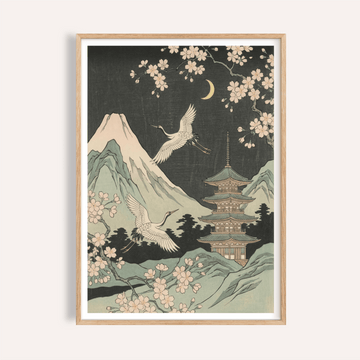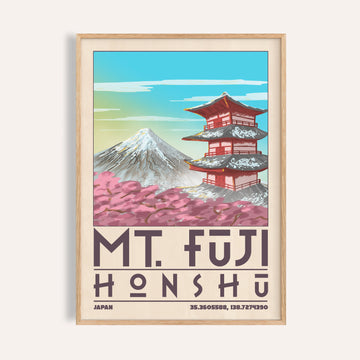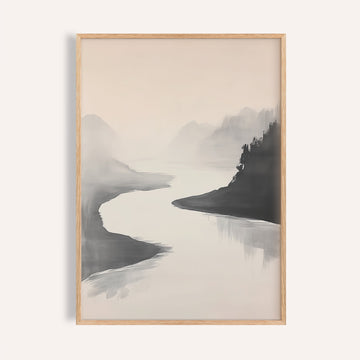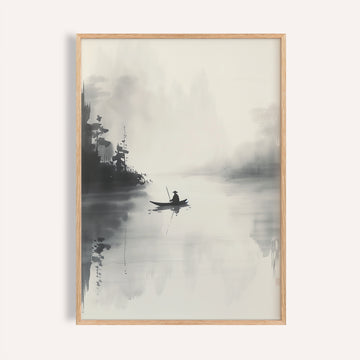
Japanese woodblock printmaking, known as ukiyo-e, has captivated art lovers for over four centuries. From the floating world of Edo-period pleasure quarters to bold modern reimaginings, Japanese print artists have shaped a global understanding of aesthetics, beauty, and storytelling. This guide walks through the rich history of this art form, from iconic masters to today's creative printmakers, highlighting the techniques, movements, and cultural forces behind these enduring images.
Introduction to Japanese Art
Japanese art blends craftsmanship, subtlety, and nature-inspired forms across mediums like painting, ceramics, textiles, and print. More than decoration, Japanese art reflects philosophy and worldview, capturing impermanence, elegance, and the everyday. Woodblock prints, or mokuhanga, emerged as one of Japan’s most iconic and influential art forms.
Unlike one-of-a-kind paintings, Japanese prints could be reproduced and sold in large numbers. This made them widely accessible, bringing beauty into the homes of merchants, actors, and even the working class. The format evolved with social trends, capturing changing fashions, festivals, kabuki stars, and landscapes as Japan modernized.
History of Ukiyo-e
Ukiyo-e translates to “pictures of the floating world”, a reference to the ephemeral pleasures of life in Edo (now Tokyo). Starting in the 17th century, early ukiyo-e prints were monochrome, later hand-colored. By the 18th century, full-color printing with multiple woodblocks (nishiki-e) became standard.
These prints celebrated the fleeting beauty of the moment: cherry blossoms, stage actors, bathhouses, and moonlit gardens. They offered escapism, fantasy, and social commentary, chronicling both high society and common joys.
Famous Japanese Artists
Katsushika Hokusai (1760–1849)
Perhaps the most recognized name in Japanese art, Hokusai’s The Great Wave off Kanagawa remains an international icon. His series Thirty-Six Views of Mount Fuji combined poetic landscapes, spiritual depth, and technical mastery. Hokusai’s work influenced European artists like Monet, Van Gogh, and Whistler.
Utagawa Hiroshige (1797–1858)
Hiroshige captured nature and travel like no one else. His prints, such as The Fifty-Three Stations of the Tōkaidō and One Hundred Famous Views of Edo, evoke atmospheric moods through color gradients and asymmetrical composition. His work was a major influence on Impressionism and Art Nouveau.
Kitagawa Utamaro (1753–1806)
Utamaro was known for his bijin-ga, portraits of beautiful women. He portrayed courtesans and geisha with elegance and subtle emotion, often highlighting elaborate hairstyles and seasonal details. His prints are considered masterpieces of line and intimacy.
Utagawa Kunisada (1786–1865)
Prolific and immensely popular, Kunisada focused on kabuki actors and theater scenes. He had a dynamic style that brought movement to the static page, capturing the glamour and drama of Edo’s entertainment world.
Tsukioka Yoshitoshi (1839–1892)
Often called the last great master of ukiyo-e, Yoshitoshi's work bridged tradition and modernity. His series One Hundred Aspects of the Moon featured historical, supernatural, and emotional subjects. Yoshitoshi combined psychological depth with bold visual storytelling.
Shin Hanga Movement
In the early 20th century, the Shin Hanga (“new prints”) movement revived classical woodblock traditions while appealing to Western tastes. These artists embraced realism, lighting effects, and expressive portraits.
Kawase Hasui painted tranquil townscapes and snowy temples with atmospheric light. Hashiguchi Goyō brought refinement to female portraiture. Hiroshi Yoshida merged international travel with Japanese craft, producing landscapes of Japan, Europe, and the U.S.
These prints were distributed globally, especially to American and European collectors. Though traditional in method, Shin Hanga prints reflect a hybrid of cultural influences during a changing time in Japan’s global identity.
Japanese Woodblock Techniques
The creation of a traditional woodblock print involves several specialized roles:
-
Artist: Draws the original design
-
Carver: Carves a wood block for each color
-
Printer: Applies pigments and hand-presses the image onto paper
-
Publisher: Finances, markets, and distributes the prints
Each print can require 10–20 blocks for multiple layers and shades. Techniques like bokashi (gradual color fade), embossing, and kara-zuri (blind printing) add texture and depth. Traditional pigments come from minerals, plants, and soot mixed with glue.
Meiji Period Influence
The Meiji era (1868–1912) brought sweeping modernization to Japan. Artists adapted to Western realism, photography, and industrial printing. Many traditional printers saw a decline in demand as magazines, photography, and lithographs gained popularity.
However, this era also sparked new genres. Musha-e (warrior prints) and political satire grew in relevance, and Japanese artists began engaging directly with global audiences through world’s fairs and travel. The era was transitional, closing one golden age while laying the foundation for future innovation.
20th Century Japanese Art
Alongside Shin Hanga, the Sōsaku Hanga (“creative print”) movement gained momentum. It emphasized the artist as a solo creator, drawing, carving, and printing their own work. Artists like Kōshirō Onchi and Shikō Munakata led the charge, merging abstraction and spontaneity with traditional craft.
These prints explored emotion, spirituality, and modern form, mirroring global movements like Expressionism and Cubism. They weren’t made for mass sales but for artistic exploration.
Contemporary Japanese Printmakers
Today, Japanese woodblock printmaking is still evolving. Contemporary artists blend digital tools with handcraft, merging cultures, formats, and ideologies.
Paul Binnie revives kabuki actor portraiture with bold color and tattoo symbolism. Yuji Hiratsuka blends satire, Western portraiture, and traditional carving. Sarah Brayer, based in Kyoto, creates luminous washi paper monoprints using modern light-reactive pigments.
Workshops and schools in Tokyo and abroad continue to teach traditional techniques, ensuring that the legacy of Japanese woodblock art remains active in today’s creative landscape.
Preserving Japanese Art
Preservation of antique ukiyo-e prints requires expertise. The paper is delicate; exposure to light, humidity, and handling can damage it over time. Museums and collectors use archival frames, UV protection, and climate-controlled storage to maintain the integrity of each sheet.
Major institutions including the British Museum, the Metropolitan Museum of Art, and the Art Institute of Chicago have significant Japanese print collections. Many host online exhibitions, making these cultural treasures accessible to global audiences.
Japanese Print Collections
Top places to view and study Japanese prints include:
-
The British Museum (UK)
-
The Metropolitan Museum of Art (New York)
-
The Museum of Fine Arts, Boston
-
The National Museum of Modern Art, Tokyo
-
The Art Institute of Chicago
These institutions hold thousands of prints, offering an incredible window into Japanese social history, religion, and visual culture across time.
Influence of Japanese Art
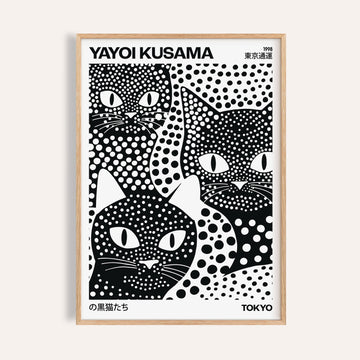
The global impact of Japanese printmaking, especially ukiyo-e, cannot be overstated. In the 19th century, artists like Van Gogh, Monet, and Degas were inspired by Japanese composition, color use, and themes. Modern Japanese artists, such as Yayoi Kusama, continue to impact contemporary art with their innovative use of pattern and color.
This movement, known as Japonisme, influenced Western art’s shift toward flattened perspective, decorative elements, and everyday subjects. Even today, fashion, illustration, and digital art continue to echo the work of Japan’s print artists.