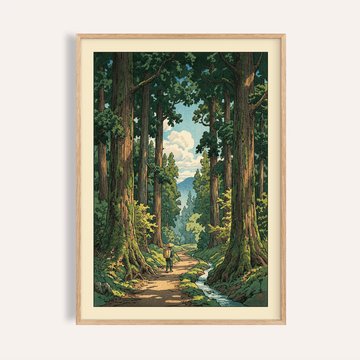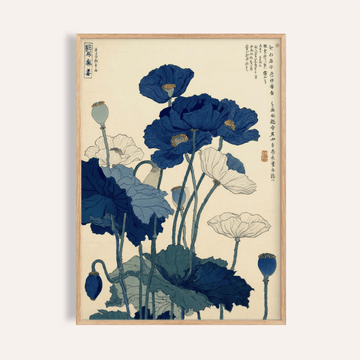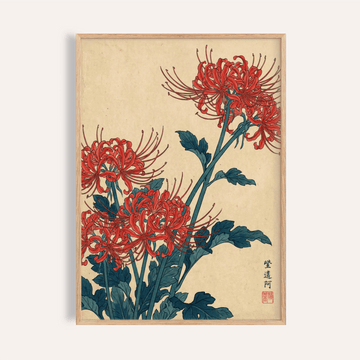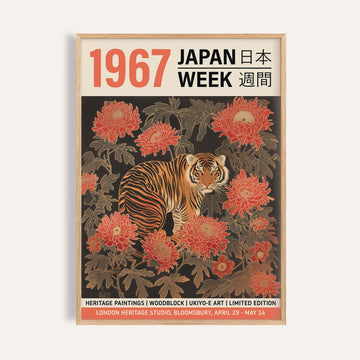
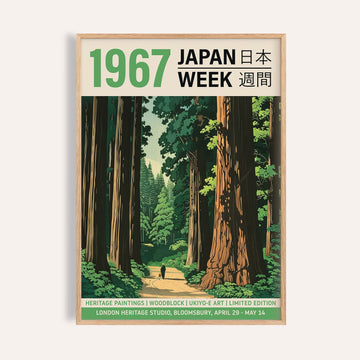
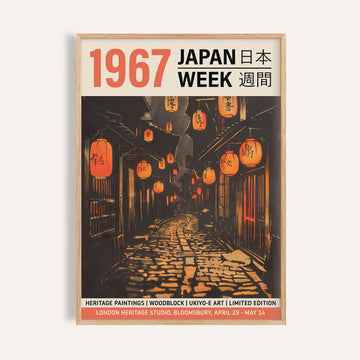

Ukiyo-e prints, often called Japanese woodblock prints, are one of the most recognizable forms of Japanese art. These creative prints captured the beauty and energy of Japan's "floating world" from the Edo period through the Meiji period. Today, they remain a cornerstone of Asian art, continuing to influence artists, collectors, and design lovers around the world.
In this article, we’ll explore the history, artistry, and cultural significance of ukiyo-e. From early ukiyo-e prints to the golden age of nishiki-e and beyond, you'll discover why these Japanese prints remain a lasting symbol of beauty and life in Japan.
What Are Ukiyo-e Prints?
Ukiyo-e translates to "pictures of the floating world." These images depict everyday pleasures like beautiful women, kabuki actors, landscapes, and folk tales. Originally created as single sheet prints or illustrations in picture books, ukiyo-e prints became widespread in the Edo period.
The process of making ukiyo-e involved multiple artists and craftspeople. A designer would sketch the original image, a block cutter would carve the designs into cherry wood, and a printer would use black ink and colored pigments to transfer the image onto paper. This collaboration resulted in high-quality prints that captured both nature and human life in Japan.
Japanese Woodblock Prints: Technique and Tradition
Japanese woodblock prints require precision and skill. The block cutter's role was vital, as they carved the detailed lines of the drawing into wood. Then, using black ink and colored layers, the printer carefully pressed paper onto the woodblocks to produce the final image.
Artists like Hokusai and Hiroshige became famous for their masterful prints. Hokusai’s Thirty-Six Views of Mount Fuji, including the iconic Great Wave off Kanagawa, is a perfect example of ukiyo-e woodblock prints at their best.
The Rise of Japanese Prints in the Floating World
During the Edo period, ukiyo-e prints flourished alongside the rise of urban culture in Tokyo (then Edo). The floating world referred to the bustling pleasure districts where people sought entertainment and art. Artists captured this life in detailed, colorful images that showed kabuki actors, beautiful women, and nature scenes like falling snow and maple leaves.
These prints became affordable art for everyday people, turning woodblock prints into a mass medium in Japan.
Early Ukiyo-e and the Shift to Color Printing
Early ukiyo-e prints were mostly black and white, hand-colored with brushwork. Over time, new techniques led to the development of nishiki-e, or brocade pictures, which used multiple blocks to add vibrant colors. Called nishiki-e because of their resemblance to rich brocade textiles, these prints marked a major turning point in Japanese art.
The transition from early ukiyo-e to multicolored prints made these images even more popular. They became a common way to enjoy art in the home, much like posters or reproductions today.
The Edo Period: A Golden Age for Ukiyo-e
The Edo period was the golden age of ukiyo-e. The Japanese government maintained strict social controls, but the arts thrived. The demand for prints grew, and artists pushed the limits of design and technique.
This era saw the rise of famous ukiyo-e artists, including Utamaro, known for his portraits of beautiful women, and Sharaku, who specialized in dramatic images of kabuki actors.
The Meiji Period and the Evolution of E Prints
In the Meiji period, Japan opened to the Western world. This led to changes in art and culture. While ukiyo-e influence spread to Western art, new prints emerged in Japan. Some ukiyo-e artists adapted, while others struggled as photography and Western-style painting became more popular.
Yet, ukiyo-e woodblock prints still held cultural value. Prints from the closing decades of the 19th century often reflected both traditional and modern themes, making them unique pieces of history.
Japanese Woodblock Prints and the Sosaku Hanga Movement
By the early 20th century, the sosaku hanga movement, or "creative prints", began. Unlike traditional ukiyo-e, where the artist, block cutter, and printer were separate, sosaku hanga artists did all the work themselves. This gave them more creative control and changed the course of Japanese woodblock art.
The Golden Age and Shin Hanga: A Revival of Ukiyo-e Style
The shin hanga movement of the 20th century revived the ukiyo-e style for modern audiences. These new prints blended traditional subjects like landscapes, birds, and beautiful women with Western ideas about light and shadow. Artists created images of the moon, falling snow, and nature scenes that appealed to both Japanese and Western collectors.
Ukiyo-e Influence on Western Art
The influence of ukiyo-e prints on Western art is significant. Artists like Van Gogh and Monet collected Japanese prints and studied their compositions. The bold lines, flat color areas, and unique perspectives of ukiyo-e helped shape movements like Impressionism and Art Nouveau.
Collecting and Preserving Japanese Prints Today
Today, collectors seek both original ukiyo-e prints and high-quality reproductions. Whether you’re looking for specific prints from the Edo period or new prints inspired by the old masters, there’s a vast world of Japanese woodblock art to explore.
Preserving prints requires care. Keep them away from direct sunlight and store them in acid-free paper to protect their quality over time.
Conclusion
Ukiyo-e prints are more than just pictures; they’re a window into Japanese life, nature, and creativity. From early ukiyo-e to the golden age of nishiki-e, these works continue to inspire artists and collectors worldwide.
At Laboo Studio, we celebrate this rich tradition by offering a collection of Japanese wall art, including pieces inspired by ukiyo-e. Whether you love landscapes, birds, or scenes from daily life, these prints bring the timeless beauty of Japanese art into your home.