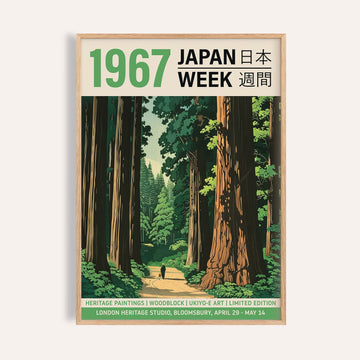
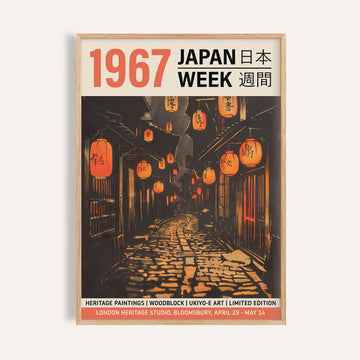

Antique Japanese Prints
The term “antique Japanese” generally refers to prints produced during Japan’s Edo period and Meiji period. These prints-often called ukiyo e-are prized for their exquisite design and cultural value. Collectors favour handmade woodblock print works distinguished by deep pigments, uneven ink bleed-through, and textured washi paper, a hallmark of authentic production.
Evaluation of antique Japanese prints involves examining the quality of the impression, the fibre content of the paper, and the clarity of the carving, as early pieces reflect a collaborative effort between the artist, publisher, carver, and printer. Expert-curated collections found in museums point collectors to the finest examples from these historic periods.
Japanese Art
Japanese art, especially prints, has shaped tastes far beyond its national borders. These works caught the eye of Impressionist masters such as Monet and even Van Gogh, who famously collected ukiyo e prints as part of their artistic studies. The Japanese woodblock aesthetic, characterized by vibrant colour and striking compositions, continues to inspire paintings and design work today.
The innovation shown in Japanese art of the Edo and Meiji periods, especially through the collaborative printmaking system, established the reputation of Japanese woodblock prints as a unique artistic legacy. Prints depicting kabuki actors, beauties, and mythic heroes embodied the energy of the “floating world.”
Japanese Woodblock Prints
Japanese woodblock prints are deeply linked to the country’s cultural development. The printer’s technical expertise had to match the vision of the artist, while publishers funded ambitious projects and ensured distribution. Early editions, or “originals,” are especially valuable, as later editions may lose detail due to block wear.
Collectors and institutions use search technologies, such as Ukiyo-e Search, to track and authenticate Japanese woodblock prints. Digital platforms enable users to upload pictures of a print, finding visually similar prints from the largest collection of online archives, or to explore curated Japanese artwork prints and Japandi art posters that echo historic styles. This makes the hunt for a specific piece or famous places depicted in art far more accessible.
Japanese Prints
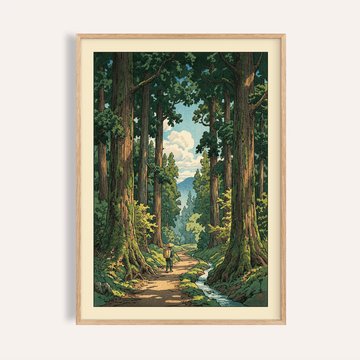
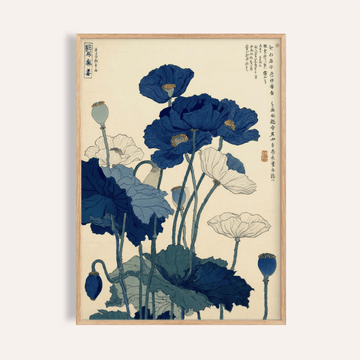
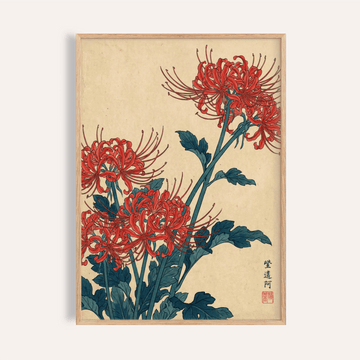
Japanese prints are generally categorized by style, period, or movement. Ukiyo e was dominant in the Edo period, while later eras gave rise to shin hanga, which recaptured traditional techniques for a modern audience. Printmakers continued to experiment with colour and form, often depicting women, actors, landscapes, and flowers in their compositions, inspiring contemporary Japanese art posters for modern interiors.
Woodblock Print
The woodblock print process flourished in Japan after arriving from mainland Asia in the eighth century. Initially used for religious texts, the method blossomed as artists began issuing single-sheet graphics, such as sumizuri-e, and later polychrome nishiki-e introduced by Suzuki Harunobu. Each woodblock print reflects the hands-on artistry of carvers, printers, and painters, often signed and dated by their publisher and artist.
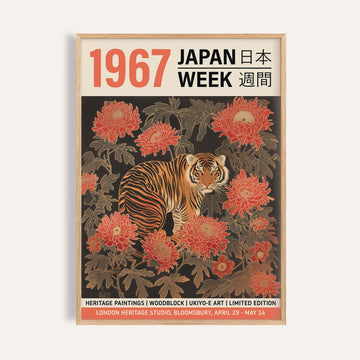
Quality prints feature vivid pigment, clear impressions, and tactile paper, with earlier works often commanding higher payments at auction. Collectors search curated catalogues and online galleries for the best examples, mindful of common issues like fading or later reprinting, and sometimes complement their collections with vintage Asian wall art and Japanese tiger ukiyo-e prints created in a traditional spirit.
Japanese Woodblock
Japanese woodblock printing reached its peak in the Edo period, with masters such as Hiroshige and Hokusai pushing the art form to new heights. These artists produced landscape and cityscape series showing everyday life, atmospheric rain, snow, and bustling city scenes.
Japanese woodblock artistry extended into the Meiji era, during which Western influences and new printing methods began to change the look of prints. The shin hanga movement revived many Edo techniques, with printer and artist often collaborating to achieve nuanced colour effects and remarkable detail.
Collectors search for genuine Japanese woodblock examples with provenance, scrutinizing period-specific publisher seals, fibre-rich washi paper, and characteristic colour layering. Some collections, such as those in London museums, allow visitors to page through thousands of well-preserved works, while others prefer contemporary Japanese artwork prints and Japandi posters that reinterpret these motifs for home display.
Ukiyo E
The ukiyo e tradition, which means “pictures of the floating world,” became the defining style for commercial Japanese prints from the 17th to the 19th century. The term ukiyo originally related to Buddhist teachings, but in the Edo context, it came to celebrate the fleeting pleasures of city life, such as kabuki theatre, courtesans, and seasonal festivals.
Renowned ukiyo e artists include Utagawa Kunisada, master of actor and beauty images, and Utagawa Kuniyoshi, famed for dynamic warrior (musha-e) prints. Kuniyoshi’s imaginative chapter illustrations of legendary heroes stand out for their energetic style. Meanwhile, Hiroshige’s landscapes are among the most sought-after, with rain scenes and snow compositions demonstrating his subtle use of colour and spatial effects.
The ukiyo e genre shaped aesthetics across the world, influencing Impressionists such as Monet and Van Gogh. Ukiyo-e prints allowed ordinary Japanese people to own affordable art reflecting popular culture, while also inspiring artists globally to explore new approaches to colour, line, and subject matter, a legacy that continues in modern Japanese wall art and Bauhaus-inspired prints for contemporary spaces.
Shin Hanga
The shin hanga movement sparked renewed interest in Japanese printmaking in the early 20th century. Moving beyond the Edo and Meiji masterpieces, this style saw artists working more closely with printers and publishers to produce limited edition works that appealed to Western collectors. Artistic collaboration and technical skill were emphasized, resulting in prints with luminous colour, delicate shading, and emotionally resonant subjects.
Notable shin hanga works feature landscapes, beautiful women, actors, and flowers, reflecting both tradition and modern tastes. The best collections offer curated shin hanga examples, with surviving pieces highly prized for their quality and artistic innovation, while contemporary platforms present broad catalogues of art prints and posters inspired by Japanese aesthetics.
Meiji Period
The Meiji period marked significant changes in Japanese culture, business, and art. Reopening of Japanese ports to foreign trade sparked curiosity and the spread of Japonisme throughout Europe, while also reshaping the subject matter and style of Japanese prints. Artists adapted to stricter censorship by focusing on landscape prints and atmospheric effects, with works by Hiroshige and others displaying the subtle interplay of rain and colour.
Meiji-era prints feature new pigments and stylistic influence, yet many still used established washi paper methods, with publisher and printer markings indicating authenticity. Collectors search for Meiji pieces that demonstrate both continuity and innovation in Japanese woodblock art, often using digital tools and online exhibitions to find updated information and place orders securely, or to discover Japandi-inspired wall art with elegant cranes in flight that echoes traditional motifs.
Edo Period
The Edo period was the golden age of Japanese woodblock printing. This era established the floating world style, with a vast output of actor portraits, beauties, and city scenes. Works from this period are frequently found in museum exhibitions and often carry the seals of well-known publishers and printers of the time.
Edo prints were produced on washi paper, using natural fibre visible when held to light, and often display remarkable colour vibrancy. The dating of prints is of great interest to collectors, with precise date markings useful for provenance and order verification. Today, Edo prints remain at the heart of many public and private collections and inspire modern Japanese ocean artwork and Kusama-inspired designs that adapt historic themes.
Conclusion
Collecting antique Japanese prints combines appreciation for history, technique, and the collaborative artistry of periods such as Edo and Meiji. Whether engaging with online exhibitions, exploring curated sites, or placing orders for admired works, today’s collectors benefit from tools that make search, authentication, and updates straightforward. The legacy of Japanese woodblock prints continues to enchant museums, collectors, and artists worldwide, ensuring these masterpieces remain vibrant chapters in global art history.