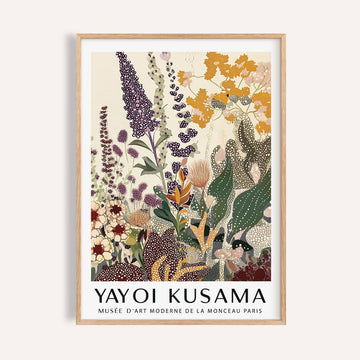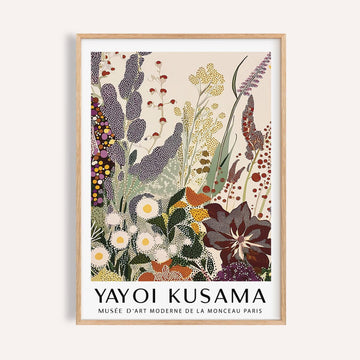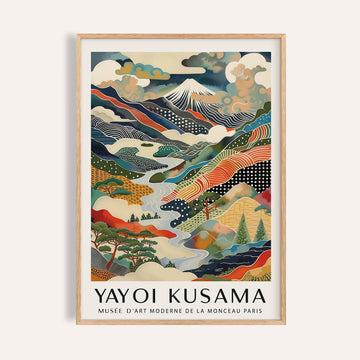
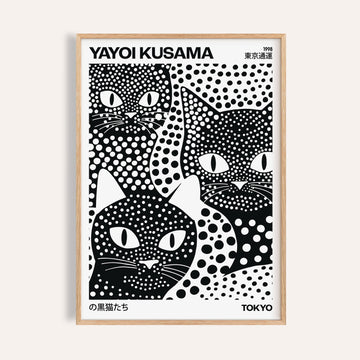
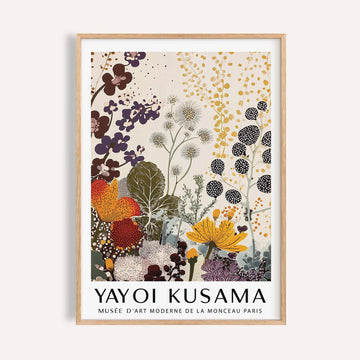
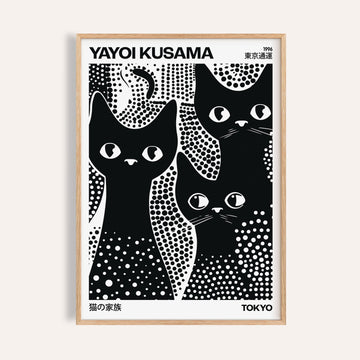
What is Japanese Abstract Art?
Japanese abstract art blends centuries of tradition with modern expression. It strips away realism to focus on color, space, and feeling. Though often minimalist, it’s deeply rooted in the cultural language of Japan.
The Origins of Abstract Art in Japan
Abstract art in Japan grew after World War II. As the country rebuilt, many artists began exploring new forms of creativity. Influences came from both Western movements and Japanese philosophies like Zen.
Early Cross-Cultural Influences and Western Exchange
While Western abstract art gained momentum in the early 20th century, Japan’s engagement with abstraction took a unique path. Early Japanese artists like Taro Okamoto, who studied in Paris in the 1930s, brought back avant-garde ideas that blended surrealism, cubism, and abstract expressionism with Japanese aesthetics. Post-war Japan became fertile ground for innovation, as artists sought to break from traditional conventions and redefine their cultural identity through bold experimentation.
The Gutai Movement and Japan’s Post-War Breakthrough
Groups like the Gutai Art Association, founded in 1954, were pivotal. Gutai artists emphasized physicality, spontaneity, and unconventional materials, often using performance and environmental elements. Their works rejected imitation and instead celebrated originality and freedom of expression. This moment marked a major turning point in Japanese abstract art, pushing it into the global spotlight and establishing it as a critical voice in contemporary art.
Influences from Traditional Japanese Art
Even though abstract styles feel modern, their roots in Japanese art go back centuries. You’ll see nods to calligraphy, ink painting, and even woodblock printing in many abstract works. Artists often used paper, nature, and negative space to convey emotion.
Key Characteristics of Japanese Abstract Art
This art is often:
-
Minimal
-
Introspective
-
Focused on texture and materials
-
Deeply connected to nature
Instead of telling a story, it offers a feeling.
Contemporary Japanese Art and Global Influence
Today, contemporary Japanese art includes a wide range of mediums, from installations to mixed media painting. Artists continue to push boundaries, combining the abstract with modern techniques and global influences.
The Role of Nature in Japanese Abstract Art
Nature plays a central role. Abstract works often mimic:
-
The flow of water
-
Wind patterns
-
Mountains and forests
Even when abstract, the inspiration is real and deeply felt.
Artists Shaping the Scene
Many Japanese artists have left a mark on the world. Some draw on Hokusai’s spirit, not by copying his style, but by capturing raw expression. Others blend Western abstract methods with Japanese taste.
Abstract Art in Japanese Homes
In Japan, art isn’t just for galleries. Abstract pieces complement clean, modern interiors. They bring warmth, emotion, and balance to living spaces.
Materials and Mediums
Popular materials include:
-
Washi paper
-
Ink
-
Natural pigments
-
Wood
-
Fabric
The focus is often on the authenticity of the medium.
Modern Styles with Ancient Roots
Even bold, colorful styles carry the calm of older traditions. Many pieces reflect:
-
Zen stillness
-
A respect for space
Why Abstract Art Resonates Worldwide
Abstract Japanese art speaks to a global audience because it’s about feeling, not just form. It invites quiet thinking, emotion, and openness.
Expression Through Space and Color
Artists use empty space as a medium. Color isn’t just decoration. It’s communication. It reflects mood, memory, and even personal taste.
Abstract Art for Sale
Looking to bring this into your home? Many abstract pieces are now available for sale through independent artists and studios. They’re perfect for collectors who appreciate both creativity and subtlety.
How to Choose Abstract Japanese Art for Your Space
Think about:
-
Your home’s color palette
-
What emotions you want to evoke
-
How much space you have
-
The medium and materials that speak to you
Japanese Abstract Art in New York and Beyond
Galleries in New York, London, and Tokyo often showcase these works. Public publications and online platforms make discovering new Japanese artists easier than ever.
The Continuing Legacy
This is not a trend. It’s a continuing movement. Today’s artists still honor the past while making something completely new.
Art That Makes You Feel
This art doesn’t explain. It asks you to feel. It doesn’t try to be perfect. It aims for truth.
From Japan to the World
From Kyoto to Berlin, this style has found fans. Its mix of stillness and expression resonates across cultures.
Inspired by Hokusai, Driven by Today
While not literal, many artists channel Hokusai’s spirit, risk-taking, deeply inspired by nature, and never afraid to be different.
Perfect for the Modern Home
Minimalist? Maximalist? Doesn’t matter. Abstract Japanese art can complement any home. It’s subtle, emotional, and powerful.
Find Your Style
Explore. Take your time. There’s no single definition, only the one that fits your space, your story, your feeling.
Art That Lives With You
This isn’t just wall art. It’s art that shapes the mood of a room. Something that changes with light, season, and emotion.
Supporting Japanese Artists
When you purchase directly from Japanese artists, you're not just buying a piece. You're supporting a tradition. You’re helping an artist continue making meaningful work.
Let It Speak to You
You don’t need to understand everything. Let it speak. Let it sit quietly in your space and say what words can’t.