Japanese Ink Painting Landscape
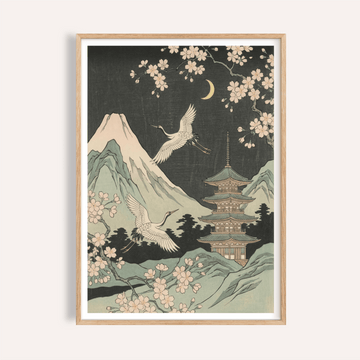
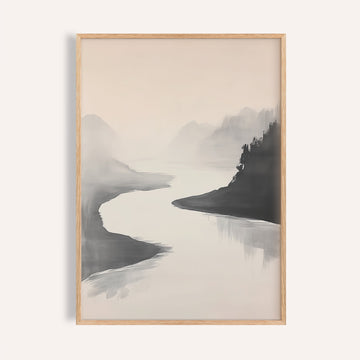
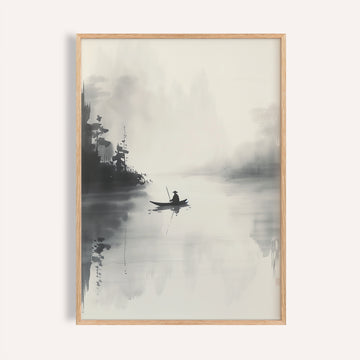
The art of Japanese ink painting landscape, known as sumi-e or suibokuga, captures the spirit of nature using only black ink, brush, and paper. Rooted in Zen Buddhist philosophy, this minimalist style emphasizes simplicity, spontaneity, and the beauty of imperfection. Landscapes are depicted not through detailed realism but by evoking the essence of mountains, rivers, and forests with expressive brushstrokes and thoughtful use of space.
Japanese Ink Painting
Japanese ink painting originated from Chinese ink wash traditions during the Tang Dynasty and was introduced to Japan by Zen Buddhist monks in the 14th century. Over time, Japanese artists developed their own distinct style, focusing on the internal experience of nature rather than its external appearance. This approach aligns with Zen principles, where the act of painting becomes a form of meditation, and each brushstroke reflects the artist's state of mind.
Japanese Art
Japanese art encompasses a wide range of styles and mediums, but ink painting holds a special place due to its spiritual and philosophical depth. Influenced by Zen Buddhism, this art form values the empty spaces as much as the painted ones, inviting viewers to engage their imagination. The use of materials like sumi ink, made from soot and animal glue, and handmade paper contributes to the unique texture and depth of these works.
Ink Painting
Ink painting in Japan is characterized by its monochromatic palette and emphasis on brush technique. Artists use various shades of black ink to create depth and contrast, employing methods like:
-
Haboku (splashed ink): A technique where ink is flung or splashed onto the paper, creating abstract forms that suggest landscapes.
-
Tarashikomi: Applying a second layer of ink or pigment before the first has dried, resulting in a blending effect.
-
Kasure (dry brush): Using a brush with minimal ink to create a textured, broken line.
These techniques require years of practice to master, as each stroke must be deliberate and confident.
Japanese Landscapes
Japanese landscapes in ink painting often depict natural elements like mountains, rivers, and trees, rendered with a sense of harmony and balance. The compositions are not meant to be realistic but to convey the spirit of the scene. Artists like Sesshū Tōyō and Hasegawa Tōhaku are renowned for their landscape paintings that evoke a sense of tranquility and contemplation.
Japanese Ink
Japanese ink, or sumi, is traditionally made by grinding an ink stick on an inkstone with water. The quality of the ink can vary based on the materials used, such as the type of soot and animal glue. The resulting ink offers a range of tones from deep black to light gray, allowing artists to create subtle gradations and expressive lines.
Sumi-e
Sumi-e, meaning "ink painting," is more than just an art form; it's a discipline that combines painting, calligraphy, and meditation. Practitioners strive to capture the essence of their subject with minimal strokes, emphasizing the importance of each line and the spaces between them. This approach reflects the Zen belief in the interconnectedness of all things and the beauty of simplicity.