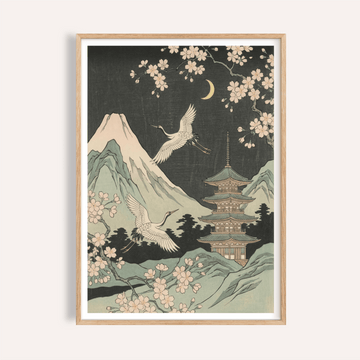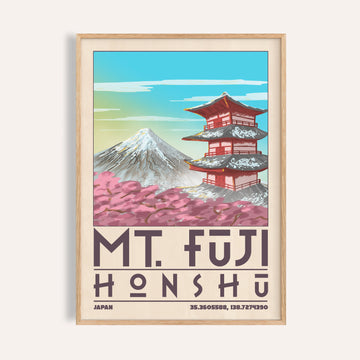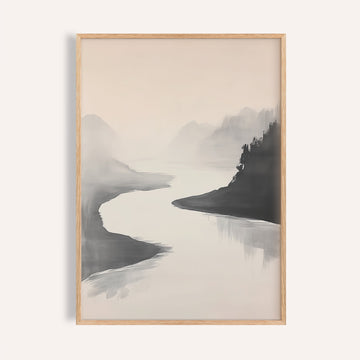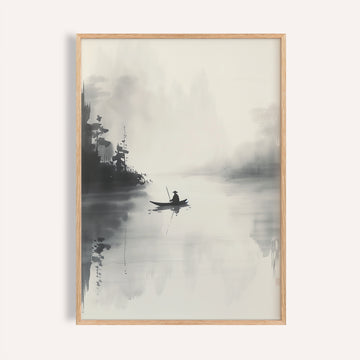
Step into a world shaped by ink, wood, and imagination. The japanese woodblock landscape holds a unique place in the world of japanese art. It captures everything from beautiful landscapes to the everyday life of Edo-era Japan. These works are not only visually stunning but also historically rich.
Japanese Woodblock Prints
The story of japanese woodblock prints starts with the ukiyo e movement. Known as "pictures of the floating world," these prints depicted kabuki actors, beautiful women, and scenic views. They were mass-produced, thanks to a process of skilled printmaking, where images were carved into wood blocks, inked, and pressed onto paper. Artists like hokusai and utagawa hiroshige led the way.
Japanese Landscape Prints
Among the many subjects, japanese landscape prints stand out. These artworks celebrate nature’s drama, snow on rooftops, rain over rice fields, and coast views of the sea. They weren’t just scenery; they carried cultural meaning and regional pride.
Landscape Prints
Many landscape prints focused on travel. The fifty three stations of the Tōkaidō, created by Hiroshige, for example, became a famous series showcasing famous views across Japan. Other popular themes include mount fuji, temples, and seasonal elements like moon or rain.
Japanese Art
Japanese prints reached Europe in the 19th century, influencing painters like Van Gogh. This East-West exchange helped define east asian art as we know it today. The clarity of lines, use of color, and storytelling power found in these prints still shape global art trends.
Japanese Woodblock
Creating a japanese woodblock involved collaboration. Artists drew the original design. Craftsmen then carved it into blocks, one for each color. These were registered with small marks on the corners (called registration marks) to align each layer properly. The final prints were published by publishers and sold to the public.
Nineteenth Century
The nineteenth century saw the rise of brocade pictures, vibrant multi-color prints. It was also when works like Thirty Six Views of Mount Fuji and One Hundred Famous Views of Edo took shape. These series often highlighted famous places and life in Tokyo and Kyoto.
Japanese Landscape
The japanese landscape tradition highlights harmony between people and nature. Whether it's a view of Suruga Province with Fuji in the background or a city scene in the Meiji period, these prints connect you to Japan’s natural and built environments.
Edo Period
During the Edo period, the demand for prints surged. People used them like posters or calendars. Some were even mounted on a hanging scroll. The subjects reflected everyday life, leisure, and travel, and the prints were affordable to many.
Meiji Period
In the Meiji period, Japan began to modernize. This led to new influences in architecture, art styles, and printing techniques. Still, the love for traditional landscapes, especially those featuring Fuji, temples, and rural scenes, remained strong.
Ukiyo E
Ukiyo e prints still resonate today. Their themes, from beautiful women and kabuki actors to great wave seascapes, offer a vivid look into Japan’s cultural fabric. They were mass-produced, yet never lost their elegance.
Thirty Six Views
Hokusai’s Thirty Six Views of Mount Fuji is a landmark in the genre. The most iconic image, The Great Wave, shows the power of nature beside Japan’s beloved mountain. These prints weren’t just art, they were moments in time, captured with care.
Suruga Province
Suruga Province often appeared in landscape prints for its dramatic coastlines and clear views of Mount Fuji. Hiroshige used it frequently to show the blend of human activity and nature. These images gave people across Japan a way to experience distant famous places.