Minimalist Home Accessories That Work With Wall Art
Minimalist wall art brings clarity to a space. But it's the supporting details that make the room feel whole. Accessories like vases, shelves, trays, and lighting give depth and warmth to your interiors when placed with purpose. The key is restraint. Every piece should serve the mood of the room, adding to the flow without disrupting it. With the right combination of accessories and wall art, even the simplest space can feel layered and intentional.
Principles of Minimalist Accessorizing
Minimalism doesn’t mean nothing. It means enough. A few well-chosen accessories can make your wall art stand out more clearly. Think in terms of shape, texture, and placement, rather than quantity or variety.
- Keep it simple: Use fewer items, but make them count.
- Stay cohesive: Stick with a neutral palette and repeat tones from your wall art.
- Play with form: Use curved, asymmetrical, or sculptural objects to echo shapes in your artwork.
Best Accessories to Pair With Minimalist Posters
Here are some timeless pieces that blend beautifully with minimalist wall art:
- Ceramic vases: Matte finishes and organic forms create subtle visual rhythm.
- Books: Neutral-toned or monochrome spines stacked on tables or shelves add structure.
- Bowls and trays: Low-profile and simple, these help group objects and define space.
- Lighting: Soft overhead light, sculptural table lamps, or wall sconces emphasize the mood of the artwork.
- Plants: A single stem or small potted plant can add organic life without overpowering the space.
Styling Tips by Room
Each room calls for its own approach. Here’s how to combine accessories with minimalist art across different areas of the home:
- Living Room: A framed abstract poster above a sideboard, paired with a ceramic lamp and a stack of books.
- Bedroom: Line art prints with a neutral throw and a textured vase on the nightstand.
- Hallway: A minimalist poster over a bench with a narrow tray for keys and a dried arrangement.
- Office: Wall art centered above a clean desk with a minimal clock, a pen holder, and soft lighting.
The aim is always to highlight, not compete. Let the accessories support the art without stealing the attention.
Framing That Ties Everything Together
The frame you choose for your poster plays a key role in how accessories work around it. Warm oak? Pair with clay, woven, or beige-toned objects. Matte black? Anchor the space with metal accents or monochrome decor. When everything speaks the same visual language, your space feels effortless and aligned.
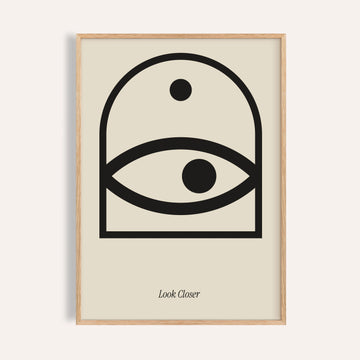
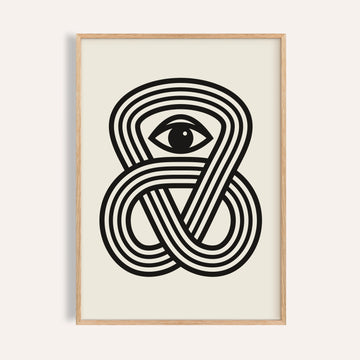
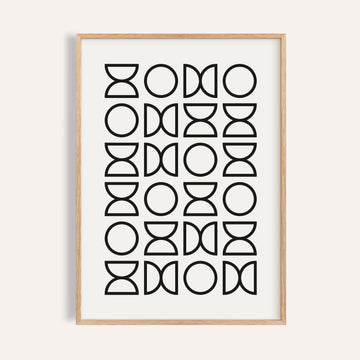
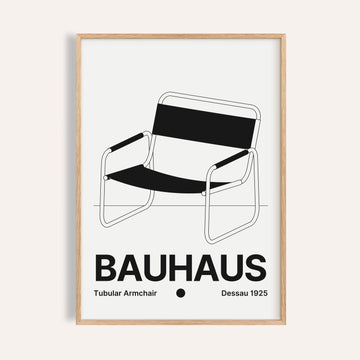
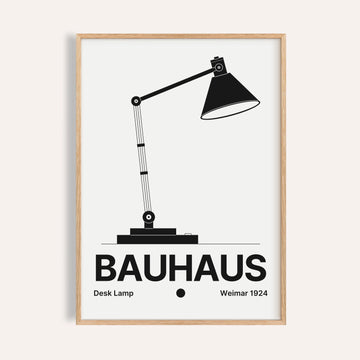
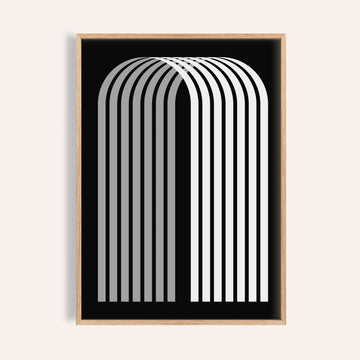
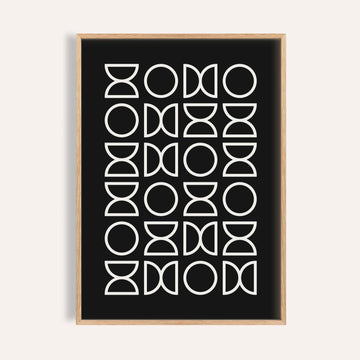
Want wall art that fits beautifully into minimalist rooms? Our Bauhaus poster collection is curated with form, color, and clean design in mind, perfect for pairing with thoughtful accessories.
Don’t Forget the Negative Space
Resist the urge to fill every surface. Negative space is an accessory in itself. It gives weight to your choices and allows the room to breathe. Leave gaps between decor and your wall art. It’s this careful spacing that creates a sense of balance and calm.
Final Thoughts
Minimalist wall art and accessories don’t compete. They collaborate. With the right textures, tones, and placements, your space can feel both visually rich and refreshingly simple. Trust the quiet power of a well-framed print, a softly curved vase, or a single folded throw. When used with intention, even the smallest accessory becomes part of the bigger picture.