Traditional Japanese Wall Art Explained
Traditional Japanese wall art holds a unique place in the world of interior design. It’s rooted in centuries of visual storytelling, using nature, folklore, and minimalism to express complex ideas with elegant simplicity. Whether you're a collector or just curious, understanding the styles, symbolism, and materials of traditional Japanese art can help you bring meaningful design into your home.
What Defines Traditional Japanese Wall Art?
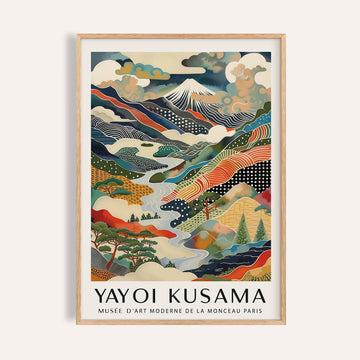
Unlike Western art, which often focuses on realism or abstract concepts, traditional Japanese wall art centers around themes like harmony with nature, transience, and balance. Common elements include cherry blossoms, cranes, waves, mountains, and seasonal landscapes. These visuals often carry deeper meanings, cherry blossoms symbolize impermanence, while cranes represent longevity and peace.
Popular Styles and Mediums
One of the most iconic styles of traditional Japanese wall art is ukiyo-e, or “pictures of the floating world.” These woodblock prints became popular during the Edo period (1603–1868), featuring scenes of nature, kabuki actors, geishas, and city life. Artists like Hokusai and Hiroshige are best known for this style, especially works like “The Great Wave off Kanagawa.”
Other traditional formats include hanging scrolls (kakemono), folding screens, and painted silk panels. Each has its own context, scrolls were often seasonal or spiritual, while folding screens served as both dividers and decorative art.
The Role of Nature and Symbolism
Nature plays a central role in traditional Japanese art. Rather than depicting it in full detail, artists focused on suggestion, leaving space and letting negative space carry part of the story. This minimal approach reflects the influence of Zen Buddhism and the idea that simplicity creates room for interpretation.
Animals and landscapes are not just decorative. Koi fish represent perseverance, pine trees symbolize endurance, and Mount Fuji often signifies permanence. These symbolic elements make traditional art pieces more than just wall decor. They offer quiet messages about life, time, and balance.
Color Palette and Composition
Color choices in traditional Japanese wall art are generally muted and earthy, indigo, ochre, faded reds, and soft greens dominate the palette. These tones are calming, making them ideal for spaces where you want visual balance. The compositions are often asymmetrical, with intentional use of empty space to create flow and focus.
Where to Display Traditional Art in the Home
This type of art fits beautifully in bedrooms, studies, entryways, and dining rooms. A scroll or framed print can set a tone of calm and reflection. When hanging a piece, consider the surrounding furniture and light. Japanese wall art pairs well with natural materials like wood, linen, and paper. Browse our Japanese art prints to explore styles suited for quiet, balanced interiors.
How to Style Traditional Wall Art with Modern Decor
Traditional doesn’t have to mean old-fashioned. A framed woodblock print can contrast beautifully with contemporary furniture. The key is to let the art breathe, don’t clutter it with too many competing visuals. Use it as a focal point, perhaps above a sideboard, bed, or reading nook. Consider pairing it with pottery, bonsai, or simple neutral-toned textiles to create a cohesive look.
Preserving and Caring for These Pieces
If you’ve invested in authentic or vintage prints, care is important. Keep them out of direct sunlight to prevent fading, and avoid rooms with high humidity like bathrooms. When framing, use acid-free backing and UV-protective glass if possible. These simple precautions can help your artwork stay in great shape for years to come.
Final Thoughts
Traditional Japanese wall art isn’t just visually appealing. It’s deeply rooted in cultural heritage and thoughtful design. Whether you choose a bold woodblock print or a soft nature scroll, these pieces can bring depth and calm to your space. Take your time selecting a work that feels meaningful, and let it anchor the mood of your room.