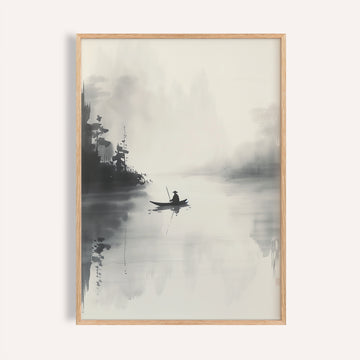
What Is Ukiyo-e Landscape?
Ukiyo-e landscape is a genre within Japanese art that vividly portrays nature, seasons, and scenes of daily life from Japan's Edo period. The term "ukiyo-e" means "pictures of the floating world," referring to the fleeting pleasures of life. While early ukiyo-e prints focused on beautiful women, kabuki actors, and pleasure quarters, landscape art eventually emerged as a dominant style.
The Rise of Japanese Prints in the Edo Period
The Edo period (1603–1868) was a time of peace and stability under the Tokugawa shogunate. With Japan’s borders closed to most foreign influence, a thriving domestic culture took shape. The merchant class, newly wealthy but without political power, turned to fine arts for expression. Ukiyo-e prints became a major genre, with landscape art reflecting the nation’s beauty, social changes, and cultural ideals.
Woodblock Printmaking: The Traditional Method
Ukiyo-e prints were created through woodblock printmaking. Artists, carvers, printers, and publishers each played a role in the production. A single design could require multiple woodblocks, one for each color, making it a complex and collaborative process. This method, known as color woodblock printmaking, allowed for mass distribution while maintaining artistic quality.
Ukiyo-e Artists Who Defined the Landscape Genre
Katsushika Hokusai
One of the most influential ukiyo-e painters, Hokusai is known for his iconic series Thirty-six Views of Mount Fuji. These landscape prints, including The Great Wave off Kanagawa, highlight Hokusai’s masterful use of parallel lines and bold composition. His works shaped not just Japanese art but also Western art in the 19th century.
Utagawa Hiroshige
Hiroshige’s prints brought a poetic sensibility to landscape art. His series, The Fifty-three Stations of the Tōkaidō and One Hundred Famous Views of Edo, captured ordinary life and famous views alike. Hiroshige’s landscapes are filled with subtle differences in weather, light, and emotion, hallmarks of the traditional ukiyo-e approach.
The Floating World Meets the Natural World
In its early years, ukiyo-e focused on the floating world of entertainment, theater, famous courtesans, and pleasure districts. As the genre evolved, it broadened to include the landscape genre, reflecting a deeper engagement with nature and Japanese culture. This shift did not abandon the floating world but instead fused it with an emerging national appreciation for landscape art.
How Ukiyo-e Prints Reflect Japanese Culture
Landscape ukiyo-e paintings offer more than scenic views, they reflect key aspects of Japanese culture. Mount Fuji, cherry blossoms, and seasonal shifts were common themes. These prints captured the spiritual beauty of nature and the everyday experiences of Japanese life, from merchants traveling the Tōkaidō road to farmers working beneath plum trees.
Traditional Ukiyo-e Subjects in Landscape Art
Many ukiyo-e artists worked with traditional ukiyo-e subjects even within landscapes. Human figures were often shown in harmony with nature. In single sheet prints, you might see kabuki actors in mountain settings or beautiful women strolling by rivers. These narrow prints balanced narrative and environment, blending genres into a cohesive style.
The Global Reach of Ukiyo-e Works
During the Meiji period, as Japan opened up to the world, ukiyo-e prints reached Western audiences. They deeply influenced the Western tradition, particularly the Impressionist and Post-Impressionist movements. Art critics in Europe admired the composition, flat color, and decorative patterns. Museums like the British Museum, Metropolitan Museum, and National Gallery began collecting ukiyo-e extensively.
Art History and the Legacy of Ukiyo-e Painters
Today, ukiyo-e is seen as a turning point in art history. It bridged traditional Japanese painting with modern trends. The legacy of ukiyo-e painters like Hokusai and Hiroshige continues in both Japanese and Western art education. Their ukiyo-e works serve as key case studies in color theory, composition, and cultural storytelling.
The Role of the Merchant Class
The flourishing of ukiyo-e was driven by Japan’s merchant class. Without access to oil paintings or sculpture, they supported printmakers who created works accessible in price and relevant in theme. Landscape prints, especially those showcasing travel or leisure, resonated with this audience, reflecting their lifestyles and aspirations.
Erotic Prints and the Diversity of Ukiyo-e
While landscapes gained prestige, other artists focused on erotic prints (shunga), kabuki actors, and famous courtesans. This variety shows the broad appeal of ukiyo-e and how different subgenres evolved. Even within landscape art, there were erotic or romantic undertones embedded in scenes of couples traveling or resting beneath trees.
The Transition to New Prints and Westernization
In the late 19th century, many prints adopted Western techniques. These "new prints" maintained traditional themes but incorporated Western perspective and realism. Some ukiyo-e painters embraced this shift, while others stayed with traditional methods. The result was a hybrid era that preserved the dominant style while exploring modern possibilities.
Torii School and Kabuki Theatre in Landscape Art
The Torii school, known for its bold designs of kabuki actors, also dabbled in landscape art. Their prints often merged dramatic character portraits with detailed backgrounds. This blend of human figure and setting highlighted the theatrical nature of Japanese life and the strong ties between kabuki theatre and everyday culture.
The Meisho Edo Hyakkei and Hiroshige’s Landscapes
Hiroshige's landscapes in Meisho Edo Hyakkei (One Hundred Famous Views of Edo) are among the finest examples of traditional ukiyo-e. Each print captures a real location in Edo (now Tokyo) with atmospheric detail. From winter snow scenes to summer festivals, these prints celebrate Japanese life and urban geography.
Preservation of Ukiyo-e in Major Museums
Thanks to institutions like the Museum of Art in Honolulu, British Museum in London, and Metropolitan Museum in New York, many ukiyo-e paintings are preserved and displayed globally. These collections include both well-known series and lesser-known works by other artists from the Edo and Meiji periods.
World War II and the Decline of Woodblock Printing
During and after World War II, traditional ukiyo-e saw a decline. Economic hardship and the rise of photography shifted cultural production. Yet interest in ukiyo-e persisted through academic study and museum exhibitions. Today, many ukiyo-e artists are once again celebrated for their contributions to art and Japanese history.
The Impact of Art Critics and Collectors
Art critics like Margaret Miller and collectors across Europe and the U.S. helped revive appreciation for ukiyo-e prints in the mid-20th century. Their efforts brought new attention to landscape art and helped integrate ukiyo-e into the global canon of fine arts.
Conclusion: Why Ukiyo-e Landscape Still Matters
Ukiyo-e landscape remains one of the most beloved forms of Japanese art. It connects tradition with beauty, nature with everyday life. These prints are more than decorative, they’re windows into a past where art, culture, and community were deeply intertwined.