
Original Bauhaus Art
The Bauhaus was more than a school. It was a revolution in how we think about art, design, and architecture. Founded in 1919 by Walter Gropius in Weimar, Germany, the Bauhaus aimed to reunite fine art and applied arts, breaking down the barriers between artists and craftsmen. This approach led to a new aesthetic that emphasized functionality, simplicity, and mass production.
The Bauhaus aesthetic became synonymous with modern design, influencing everything from furniture and typography to architecture and industrial design. Its emphasis on clean lines, geometric forms, and the integration of technology and craftsmanship set the stage for much of the 20th-century design.
The Bauhaus Building and Its Vision
The Bauhaus building in Dessau, designed by Gropius himself, embodied the school's principles. With its glass curtain walls and functional form, it was a physical manifestation of the Bauhaus's commitment to modern architecture and design education. The building housed workshops, studios, and living spaces, fostering a community where all the arts could flourish together.
This "building house" was not just a place of learning but a symbol of the Bauhaus's mission to integrate art into everyday life. Its design influenced modernist architecture worldwide, showcasing how form and function could coexist harmoniously.
Wall Art Inspired by Bauhaus Aesthetic
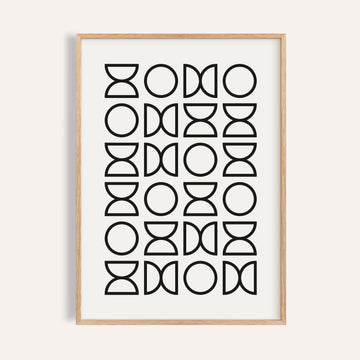
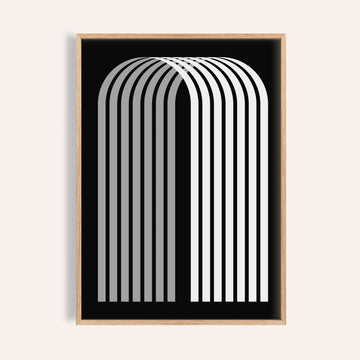
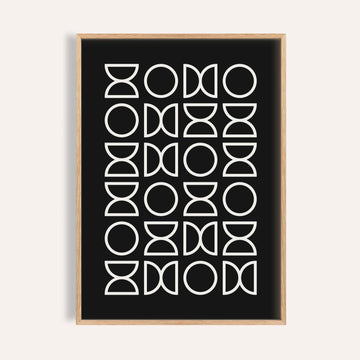
Bauhaus's influence extended into the realm of wall art, where its principles of simplicity and functionality found new expression. Artists like Paul Klee and Wassily Kandinsky, who taught at the Bauhaus, created works that emphasized color theory, geometric shapes, and abstract forms. These pieces continue to inspire contemporary art prints and wall art collections.
Today, Bauhaus-inspired wall art is popular for its timeless appeal and ability to complement modern interiors. Whether through original works or reproductions, the Bauhaus style remains a staple in art and design.


Inside the Bauhaus Collection
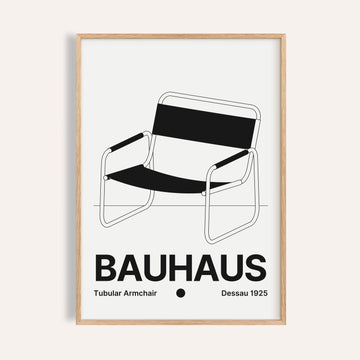
The Bauhaus collection encompasses a wide range of disciplines, reflecting the school's interdisciplinary approach. From Marcel Breuer's tubular steel furniture to Marianne Brandt's innovative light fixtures, the collection showcases the fusion of form and function. These pieces exemplify the Bauhaus's commitment to creating designs that are both aesthetically pleasing and practical.
Institutions like the Metropolitan Museum and the Bauhaus Archive in Berlin house extensive Bauhaus collections, preserving the legacy of this influential movement. These collections continue to inspire designers and artists around the world.
The Influence of Applied Arts on Bauhaus
The Bauhaus placed a strong emphasis on applied arts, integrating disciplines like industrial design, graphic design, and interior design into its curriculum. This approach aimed to bridge the gap between artistic creativity and practical application, preparing students to create designs suited for mass production and everyday use.
By focusing on applied arts, the Bauhaus redefined the role of the artist in society, positioning them as designers and problem-solvers who could contribute to various industries. This perspective has had a lasting impact on design education and the professionalization of design disciplines.
Walter Gropius and the Birth of the German Art School
Walter Gropius, the founder of the Bauhaus, envisioned a new kind of art school that would break down the traditional hierarchies separating fine arts from crafts. He believed in a holistic approach to design education, where students would learn through hands-on experience in workshops, collaborating across disciplines.
Gropius's vision was influenced by the Grand Ducal Saxon School of Arts and Crafts, and he sought to create a "new guild of craftsmen without the class distinctions that raise an arrogant barrier between craftsman and artist." This philosophy laid the foundation for the Bauhaus's innovative curriculum and its emphasis on unity among all the arts.
The Preliminary Course: Reuniting Fine and Applied Arts
At the heart of the Bauhaus curriculum was the preliminary course, designed to immerse students in the fundamentals of design, color theory, and material studies. Led by artists like Johannes Itten and later László Moholy-Nagy, the course encouraged experimentation and a deep understanding of form and function.
This approach aimed to reunite fine art and applied arts, fostering a comprehensive design education that prepared students for various workshops and disciplines within the Bauhaus. The preliminary course became a model for design education worldwide.


From Weimar to Dessau: How the Bauhaus Moved
Political pressures and funding challenges led to the Bauhaus's relocation from Weimar to Dessau in 1925. The move allowed the school to build a new, purpose-designed facility that embodied its architectural ideals. The Bauhaus Dessau became a hub for innovation, attracting students and faculty committed to the school's mission.
In 1932, the Bauhaus moved again, this time to Berlin, under the direction of Ludwig Mies van der Rohe. However, the rise of the Nazi regime and its opposition to modernist ideals led to the school's closure in 1933.
Key Figures: Kandinsky, Klee, and Moholy-Nagy
The Bauhaus attracted some of the most influential artists and designers of the 20th century. Wassily Kandinsky and Paul Klee brought their expertise in abstract painting and color theory, enriching the school's artistic foundation. László Moholy-Nagy introduced new approaches to photography and visual communication, emphasizing the integration of technology and art.
These key figures, among others, played a crucial role in shaping the Bauhaus's interdisciplinary approach and its lasting impact on various design fields.
Mass Production Meets Craft: Bauhaus and Modern Technology
The Bauhaus embraced modern technology and industrial production methods, seeking to create designs that could be mass-produced without sacrificing quality or aesthetics. This approach was evident in furniture designs by Marcel Breuer and architectural projects that utilized new materials and construction techniques.
By integrating modern technology into its design philosophy, the Bauhaus addressed the needs of a rapidly changing society and set the stage for contemporary industrial design practices.
The Nazi Regime and the Fall of the Bauhaus
The Bauhaus's progressive ideals and modernist aesthetics were at odds with the Nazi regime's cultural policies. Viewed as a center for "degenerate art," the school faced increasing scrutiny and pressure, leading to its closure in 1933.
Despite its dissolution, the Bauhaus's influence persisted as many of its members emigrated and continued their work abroad, spreading the school's principles worldwide.
The New Bauhaus and Legacy in the United States
After the Bauhaus's closure, key figures like Moholy-Nagy and Gropius relocated to the United States, where they established new institutions that carried forward the Bauhaus legacy. The New Bauhaus in Chicago and the design program at the Illinois Institute of Technology became centers for modernist design education.
These institutions continued the Bauhaus's mission, influencing generations of designers and solidifying the school's impact on global design practices.
Bauhaus Today: Museums, Posters, and Art Prints
The Bauhaus's legacy is preserved and celebrated in museums and collections worldwide. Exhibitions showcase original works, while reproductions and Bauhaus-inspired designs remain popular in contemporary decor. Art prints and posters featuring Bauhaus motifs are widely available, allowing enthusiasts to bring the movement's aesthetic into their homes.
The continued interest in Bauhaus designs underscores the movement's enduring relevance and its foundational role in shaping modern visual culture.
Design Education and the Bauhaus Emphasis on Function
The Bauhaus revolutionized design education by emphasizing the importance of function in artistic creation. This principle, often summarized as "form follows function," became a cornerstone of modernist design philosophy.
By focusing on the practical applications of design and encouraging interdisciplinary collaboration, the Bauhaus set new standards for design education that continue to influence institutions today.
The Bauhaus Style in Interior and Graphic Design
The Bauhaus style, characterized by clean lines, geometric shapes, and a minimalist approach, has had a profound impact on interior and graphic design. In interiors, Bauhaus principles manifest in functional furniture, open spaces, and a lack of ornamentation. In graphic design, the emphasis on typography, grid systems, and clarity reflects the movement's influence.
These design elements remain prevalent in contemporary practices, demonstrating the Bauhaus's lasting contribution to the visual language of modern design.